Let's talk about the silence
Clitoral numbness is one of the least discussed side effects of pleasure itself. You finish a session. Nothing happened. You try again the next day. Still nothing. Then you start wondering if something broke inside you. Here's the thing: nothing is broken. Your nerves are just tired.
Clitoral numbness happens to people who use traditional vibrators regularly. The constant, high-frequency buzz desensitizes nerve endings. You need stronger stimulation to feel anything, so you turn up the intensity, which makes the numbness worse. It's a spiral. And yes, it's fixable.
How nerve desensitization actually works
Your clitoris has roughly 8,000 nerve endings packed into a space the size of a pea. These nerves fire in response to specific patterns of stimulation. When you expose them to the same frequency, same pressure, and same rhythm repeatedly, they stop firing as readily. It's not laziness. It's neural adaptation. Your nervous system literally gets bored.
Traditional vibrators work through rapid oscillation. Think of it as a drumbeat hitting the same spot thousands of times per minute. After weeks or months of this, those nerves need either a break or a completely different signal to wake up again.
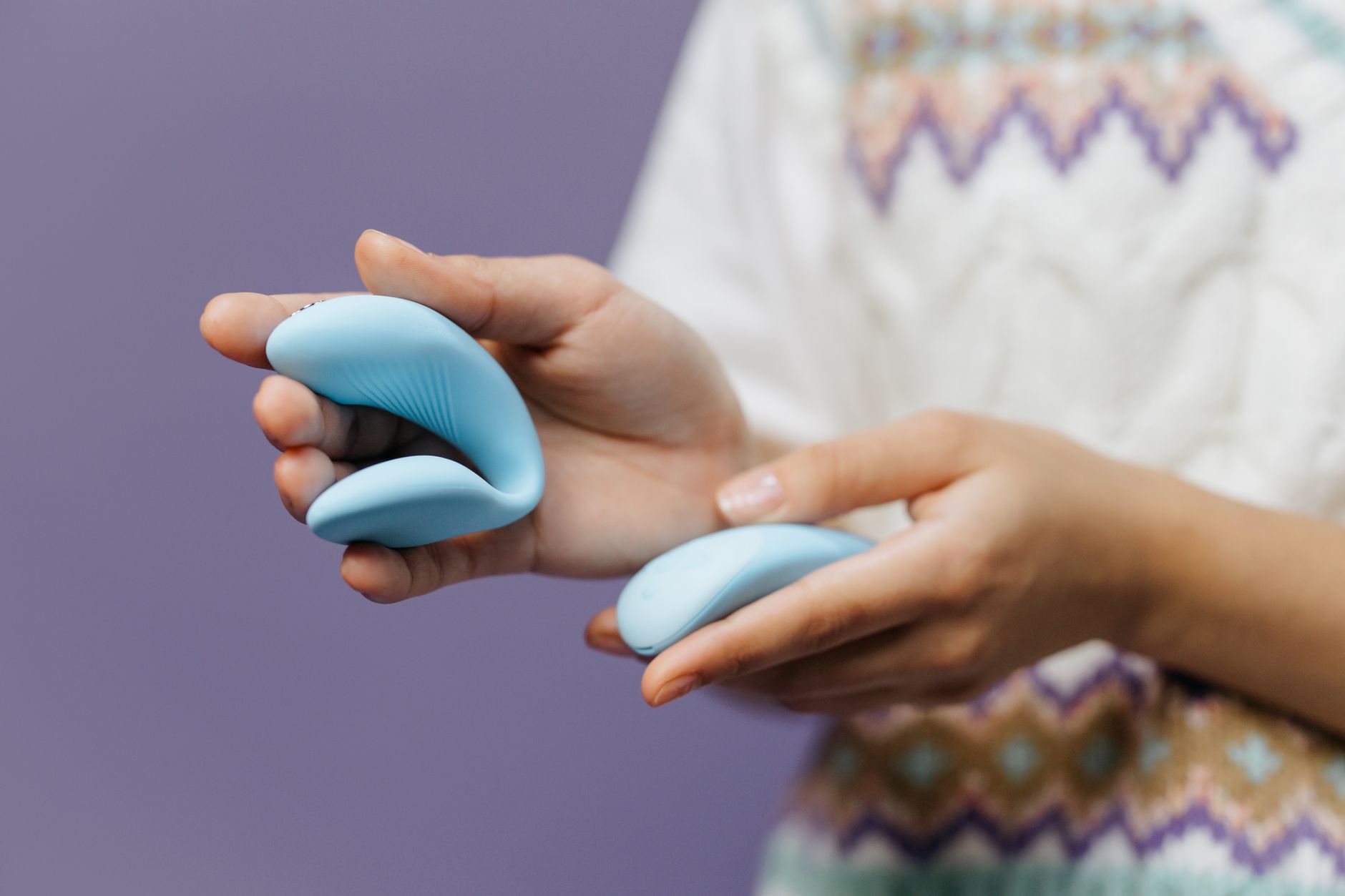
Here's what makes lemon vibrators fundamentally different: they use suction and pulsing rather than vibration. Instead of rapid side-to-side movement, suction creates rhythmic pressure changes. Your nerves respond to this differently because it's a different input entirely.
Why suction wakes up numb tissue
When you've been using traditional vibration exclusively, your nervous system has adapted to that specific input. Switch to a completely different stimulation pattern, and you're essentially introducing yourself to pleasure again.
A lemon clitoral vibrator applies pressure and release in waves. This targets different nerve pathways than buzzing does. The pulsing sensation feels more like the natural rhythm of arousal rather than the artificial monotone of a standard vibrator.
My clients report that the first time they use a lemon sucker after months of numbness, they often feel surprised. Not because it's better necessarily, but because it feels like something new. That newness is actually the point. Your nerves are responding to a signal they haven't adapted to yet.
The recovery timeline that's realistic
Don't expect to regain full sensitivity overnight. But don't expect it to take years either. Here's what the actual timeline looks like:
Week 1-2: Stop using traditional vibrators completely. You're giving your nerves a break from the signal they've burned out on. You might feel less sensation overall during this period. That's normal and temporary.
Week 2-3: Introduce your lemon vibrator at the lowest setting. Use it for short sessions, maybe five to ten minutes. The goal isn't orgasm yet. It's reintroduction. Your nerves are learning a new language.
Week 3-4: Sensation usually starts returning noticeably. You'll feel more during sex with partners, more during solo sessions. The numbness doesn't vanish completely, but you're no longer in that dead zone.
Week 4-8: Most people report that real arousal is back. Not the frantic kind you had when everything was new, but genuine, buildable sensation. This is when many people start feeling orgasms again.
There's individual variation here. Some people recover faster. Some take longer depending on how heavily they used traditional vibrators and their overall nervous system sensitivity. But everyone I've worked with who followed this reset protocol saw improvement by week four.
The protocol for actual recovery
Here's how to actually use a lemon vibrator when you're recovering from numbness:
Pattern 1 or 2 only. Your lemon vibrator has multiple suction and pulsing patterns. Start at the gentlest. You're not going for intensity. You're going for signal diversity.
Ten minute maximum sessions. Stop before you get frustrated. Overstimulation right now will just create new desensitization. Better to leave wanting more.
Three times per week at most. Give your nervous system recovery time between sessions. This isn't about frequency. It's about letting your nerves reset.
No comparison to old sensations. You had intense orgasms with your vibrator, probably. Let that go for now. You're building new baseline sensation, not recreating the old one.
After three weeks of this foundation, you can experiment with higher patterns and longer sessions. By then, your sensitivity is usually back enough that you can actually enjoy building intensity again.
What's happening in your nervous system
Clitoral sensation lives in the pudendal nerve and the pelvic splanchnic nerves. These nerves have receptors that respond to pressure, temperature, and vibration at specific frequencies. Constant high-frequency vibration basically exhausts those receptors. They stop responding with the same eagerness.
Suction activates different pressure receptors and creates a pulsing input that more closely mirrors natural arousal patterns. It's like your nerves get to experience something closer to their original programming. This helps them "remember" how to be responsive.
This is why how lemon vibrator sensation changes when you switch from traditional vibration is such a common observation. People aren't imagining the difference. They're literally experiencing different nerve activation.
The mental side matters just as much
Numbness creates anxiety. You start worrying that you're broken. That worry kills arousal. Arousal requires some mental ease, and when you're panicking about not feeling anything, mental ease disappears.
Using a lemon vibrator is partly effective because it creates a psychological reset. You're doing something different. Your brain knows you're trying something new. That expectation alone can help rebuild the connection between body and mind that anxiety disrupted.
I always recommend being honest with partners about what's happening. "My body needs a reset" is different from "something's wrong with me." One invites support. The other invites shame. If you're partnered, your partner actually benefits from understanding the recovery plan too. They stop interpreting your lack of orgasm as lack of attraction.
When to pause and reassess
If you're three weeks into the recovery protocol and still feeling completely numb, check these things:
Are you still using other vibrators? You have to actually stop. One traditional vibrator in the rotation defeats the purpose.
Are you stressed out of your mind? Stress paralyzes sensation. Sometimes what looks like nerve damage is actually nervous system shutdown from anxiety or work stress. If your life is chaos right now, numbness might improve just by addressing the chaos.
Are you on medications that affect sensation? SSRIs, some antihistamines, and certain blood pressure medications can numb clitoral sensation independently. If this is you, check with your doctor. Sometimes the solution is tweaking your dosage or adding something else. How lemon vibrators can improve pleasure for people taking antidepressants explores this in depth.
If none of these apply and you're still numb after four weeks, talk to a gynecologist. Numbness can occasionally indicate nerve damage from trauma or certain conditions. It's rare, but it's worth ruling out.
The difference between numbness and low desire
Important distinction: numbness is "I don't feel touch." Low desire is "I don't want touch." They look similar but they're not the same problem.
Numbness is a sensation issue. You can be aroused mentally and still feel nothing physically. This is what lemon vibrators address directly.
Low desire is a motivation issue. You don't want sex, or you want it rarely. Lemon vibrator for stress relief addresses some of these cases, especially when stress is the culprit. But if your desire is genuinely gone, numbness recovery might not fix it. You might need something else entirely.
Self-check: if someone touched your clitoris right now, would you feel it? If yes, you have desire issues. If no, you have numbness. This determines what actually helps you.
Rebuilding without shame
Numbness is weirdly shame-adjacent. People feel like they did something wrong by using vibrators "too much." You didn't. You just hit the limit of what one stimulation pattern can do. Your body is actually protecting you by adapting. Now you're adapting back.
Your best orgasms might actually be ahead of you, not behind you. A lot of people find that after recovery, they have more nuanced sensation. Not just "numb or buzzing." But actual variation in feeling. That's progress.
The lemon clitoral vibrator isn't magic. It's a different signal. And your nervous system, given the chance, will respond to that difference.
People also ask
How long does it take to recover from clitoral numbness completely?
Most people feel significant improvement by week four. Full recovery varies between four and eight weeks depending on how long you were using traditional vibrators and how sensitive your nerves are naturally. The key is actually stopping the old stimulation pattern, not just adding a new one.
Can you permanently damage your clitoris with vibrators?
Permanent nerve damage from vibrators is extremely rare. Numbness is almost always desensitization, which is reversible. Permanent damage would require severe trauma or an underlying medical condition. If you're following the recovery protocol and seeing no improvement after eight weeks, that's when to see a doctor. But statistically, you're going to be fine.
Is lemon vibrator suction better than vibration for sensitivity recovery?
Yes, specifically because it's different. Your nerves have adapted to vibration. Suction uses different nerve pathways and different pressure patterns. That novelty is what helps recovery. This is why best lemon vibrator for clitoral stimulation without numbness is such a common search. People find that suction actually works when traditional vibration stops working.
Should I use a lemon vibrator every day during recovery?
No. Three times per week maximum during the first month. Your nervous system needs recovery time between sessions. Overusing a lemon vibrator while recovering can just shift the desensitization to a different pattern. Give your nerves actual rest.
What if my partner wants sex during my numbness recovery period?
Tell them what's happening. Numbness recovery isn't about avoiding sex. It's about changing how you approach stimulation. You can have partnered sex. You just can't use the vibrator that caused the numbness. Many couples find this creates space to explore other kinds of touch they'd been skipping. It's actually good for the relationship.
Can anxiety cause clitoral numbness that feels the same as desensitization?
Absolutely. Anxiety constricts blood flow to your genitals and shuts down sensation as a stress response. Sometimes what feels like nerve numbness is actually anxiety-triggered numbness. The test: are you numb everywhere or just during sex? If it's just during sex and disappears when you're relaxed, anxiety is probably the culprit. Both issues respond to lemon vibrators, but for different reasons.
What happens next
The recovery protocol works. Your sensation returns. And then you get to figure out what you actually want, which might be different from what you wanted before numbness happened. Some people go back to traditional vibrators in moderation. Some stick with lemon vibrators because they prefer the sensation. Some mix it up.
The point is you get to choose again. That choice only becomes available after recovery. Start the protocol. Give your nerves the reset they need. Reach out if you have questions about what recovery should look like for your specific situation.