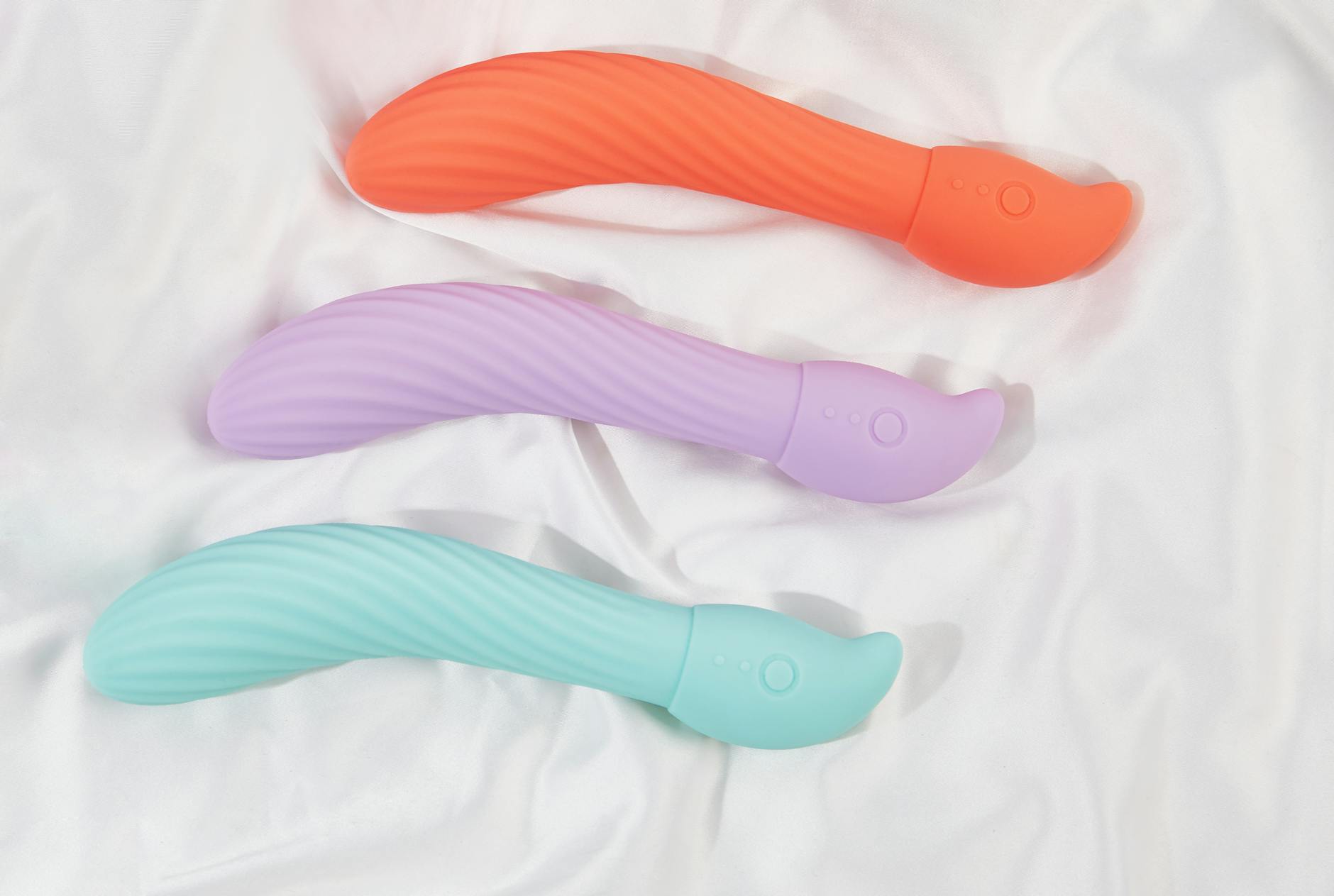
How antidepressants change sexual response
Let's be real: antidepressants save lives. They also, for about 40-60% of people taking them, flatten sexual pleasure in ways that feel impossible to talk about. You're finally feeling mentally stable, your anxiety is down, your mood is steadier. And then your body stops responding the way it used to, and nobody warns you it's coming.
Here's what actually happens. SSRIs, SNRIs, and most other common antidepressants increase serotonin availability in your brain. That's great for mood. But serotonin also suppresses dopamine and norepinephrine. Those two neurotransmitters are the main drivers of sexual desire, arousal, and the ability to reach orgasm. Add in the fact that many antidepressants increase prolactin levels (a hormone that dampens sexual response), and you've got a situation where your brain chemistry is working against your body's ability to feel pleasure.
The result: delayed orgasm, reduced sensation, lower libido, and that maddening feeling of being "numb from the waist down" while your mind is finally clear.
Why traditional vibrators often don't work
Most people taking antidepressants reach for a standard vibrator first. Intense vibration, high frequency, same logic as before the medication. Except now the nerve endings are already dampened. The vibration feels either too much (overstimulating on already-tired tissue) or not enough (because the sensation just isn't getting through).
That's where the approach fails. You're working harder, not smarter.
A lemon vibrator, or any clitoral suction toy, works on a completely different principle. Instead of vibration, it uses rhythmic suction and gentle pulsing to stimulate nerves without requiring the same intensity of sensation. The suction creates a seal and applies consistent pressure to the clitoral complex, which can feel more direct and easier to notice, especially when baseline sensation is already compromised.
This matters because you're not trying to "wake up" numb tissue with force. You're using a different neurological pathway entirely.
The clitoral complex and antidepressants
Here's something most people don't realize: your clitoris is huge. What you see externally is just the tip. The clitoral complex extends internally in two arms, and it has thousands of nerve endings. When antidepressants dampen sensation, they don't affect all of these equally.
The external clitoral glans is more straightforward to stimulate. Traditional vibrators target it directly, which makes sense. But lemon sexual toys and suction-based clitoral vibrators engage the whole complex. The seal around the glans pulls slightly on the internal structure, creating a sensory experience that reaches parts of the organ that standard vibration alone might miss.
For people on antidepressants, this fuller engagement often translates to sensation that actually registers. The response is less like "I'm being stimulated" and more like "I actually feel this."
Why lem vibrators outperform in this context
Let me be specific about lemon clitoral vibrators and air-suction design, since this is where the real advantage sits.
A lem vibrator uses gentle suction combined with micro-pulses. You control the intensity in steps, starting at the lowest setting. This matters for medication side effects because you can begin at a genuinely gentle level and build gradually, without the all-or-nothing choice you get with most vibrators (on or off, fast or faster).
The suction also creates consistent pressure without fatigue. With traditional vibration, your nerve endings can numb out after extended use, even within a single session. Suction works differently. The pressure is steady, and the sensation tends to build rather than plateau.
For people on antidepressants, this translates to better odds of reaching orgasm and shorter warmup time.
How to approach this differently
Start with acceptance, not frustration. Sexual side effects from antidepressants are medical, not personal. Your body isn't broken. The medication is doing exactly what it's supposed to do in your brain. The sexual dampening is a side effect, not a character flaw.
Second, talk to your prescriber before you change anything. Some options: a brief "medication holiday" if clinically appropriate (not generally recommended long-term, but sometimes viable short-term around planned intimacy). Switching to a different antidepressant with a lower sexual side effect profile. Adding a medication like bupropion that actually increases dopamine. These conversations are routine in psychiatry. Your provider won't be shocked.
Third, try the right tool. If standard vibrators haven't worked, a lemon clitoral vibrator or Hello Nancy's Lem gives you a genuinely different option. The reason isn't magic. It's neurology. You're using a tool designed to work with compromised baseline sensation, not against it.
Timing, patience, and realistic expectations
When you're on antidepressants and trying to rebuild pleasure, timing shifts. Foreplay takes longer. Arousal builds more slowly. Orgasm might take 20-30 minutes instead of 10. This isn't a failure. It's just the new baseline.
Budget that time. Set the expectation with any partner that this isn't quick. Make it part of the ritual. Light the candle, put the phone away, plan for an hour. When you're not racing toward a finish line, pleasure changes. The destination matters less than the actual sensations you feel along the way.
Patience is a tool here, not just a virtue.
Also realistic: medication sexual side effects sometimes persist even after you optimize everything. If after 8-12 weeks of consistent exploration you're not seeing improvement, loop back to your prescriber. There are options. This isn't permanent, even when it feels that way.
Partnered pleasure and communication
If you have a partner, this conversation is essential. "I'm on an antidepressant and it's affecting sensation. I want to explore differently" is completely different from "I don't want you anymore." One is medical. The other sounds like rejection. Confusing them in the conversation creates resentment that didn't need to exist.
Walk your partner through the mechanics. Show them the suction device. Explain that you're trying something that works with your body differently. Ask for patience while you both experiment. And here's the key part: pleasure is a shared project, not something you fix alone and then report back on.
If your partner can't engage with this straightforwardly, that's different information, and it's important.
When to escalate
Sexual side effects that persist more than 8-12 weeks after starting an antidepressant deserve medical attention. Not because there's shame in it, but because there are actual treatment options.
If you're having difficulty with orgasm specifically, some providers recommend brief antidepressant "holidays" of 24-48 hours before planned intimacy. If you're losing libido entirely, bupropion or a switch to a different class of antidepressant might help. If arousal is the problem, sildenafil (Viagra) sometimes helps with antidepressant-related sexual side effects, though it works better for some people than others.
The point: you don't have to accept permanent loss of pleasure as the price of mental health. You can have both.
How lemon adult toys fit into the bigger picture
A lemon vibrator isn't the full answer. It's one tool in a toolkit. The bigger toolkit includes conversation with your prescriber, realistic timeline expectations, communication with any partner, and exploration without pressure.
But within that context, lemon clitoral vibrators and air-suction adult toys are legitimately useful for people on antidepressants. They work with dampened sensation rather than against it. They allow for graduated intensity. They engage the nerve complex differently than traditional vibration.
If you've tried standard clitoral vibrators and they didn't deliver, a lem vibrator is genuinely worth a try. Not as a replacement for medical care, but as part of reclaiming pleasure while you're on medication that's otherwise saving your life.
People also ask
Do antidepressants permanently kill sexual pleasure?
No. For most people, sexual side effects either resolve over time (3-6 months as the body adjusts) or respond to treatment adjustments. Some people experience permanent changes, but this is rare and usually related to dosage or specific medication rather than antidepressants as a class. Talk to your prescriber if effects persist beyond the adjustment window.
Can you stop taking your antidepressant to have better sex?
Not without talking to your doctor first. Stopping suddenly is dangerous and can cause withdrawal symptoms and relapse. But your prescriber can discuss options: temporary breaks around planned intimacy (sometimes), switching to a different antidepressant with lower sexual side effects, adding a medication to counter the sexual effects, or other adjustments. This is a normal conversation in psychiatry.
Why does suction work better than vibration for antidepressant-related numbness?
Because suction and vibration activate different nerve pathways. Suction creates sustained pressure and engages the internal clitoral structure more fully. When baseline sensation is dampened, this different approach often registers better than high-frequency vibration, which can feel either overstimulating or not noticeable enough.
How long does it take to see improvement with a lemon vibrator?
Most people notice a difference in the first 1-2 sessions if suction is going to work for them. But the real improvement in pleasure quality and orgasm consistency usually emerges over 2-4 weeks of regular use as you learn your body's new responsiveness. Don't expect immediate transformation, but do notice early signals.
Should I tell my partner I'm using a lemon clitoral vibrator because of antidepressant side effects?
Yes, if you're in a partnered relationship. Frame it as "my body is responding differently to medication, and I want to explore something that works with these changes" rather than as a problem to hide. Most partners appreciate the honesty. It also opens conversation about what both of you want pleasure-wise, which benefits everyone.
Can lemon vibrators help with low libido from antidepressants?
Suction toys can help with arousal and orgasm, but they won't fix low libido (lack of desire) directly. Low libido is usually a dopamine and testosterone issue, not a sensation issue. If desire is the main problem, talk to your prescriber about medication adjustments. Suction toys help with the pleasure piece once arousal has started.
Next steps
If antidepressants have dampened your pleasure and traditional toys haven't worked, a lemon vibrator is a genuinely different option. Start at the lowest intensity setting. Give yourself 2-4 weeks of regular exploration. Notice what's changing, not just whether you're reaching orgasm.
And circle back with your prescriber if sexual side effects are significantly affecting your quality of life. There are more options than you might think.
Your mental health matters. Your pleasure matters too. You don't have to choose.
If you have questions about what might work for your body, we're here. Reach out at /contact.