
You're not starting from zero, even though it feels that way
Here's what almost nobody talks about after a long-term relationship ends: your body doesn't know it's over yet. Your nervous system is still calibrated to another person. Your pleasure response is mapped to a routine you no longer have. Your brain is waiting for touch that won't come.
That's not a sign you're broken. It's a sign your body was doing exactly what it was supposed to do. The problem now is that your nervous system needs to remember how to respond when you're the one in control.
The actual physiology of post-breakup sexual reset
When you've been with someone long-term, your arousal pattern becomes predictable. You know what works, what doesn't, how long it takes, what time of day your body is most responsive. That's efficient, but it's also dependent. Your nervous system learned to react to their touch, their timing, their rhythm.
When that relationship ends, you don't just lose a person. You lose the script. And losing the script is actually an advantage, even though it doesn't feel like one right now.
Your clitoral sensitivity hasn't changed. Your capacity for orgasm is still intact. What's changed is the context, and context is 60 percent of arousal. A long-term relationship provided psychological safety and predictability. Dating again means rebuilding safety, but this time entirely on your own terms.
That's the part that feels weird. Not because your body doesn't work anymore, but because your body has to learn you again without a second person doing half the work.
Why solo exploration with a clitoral vibrator matters more than partnered sex right now
I tell clients this regularly: the best time to rebuild sexual confidence isn't when you're trying to impress someone new. It's when you're alone.
Using a clitoral vibrator like the Lem after a breakup serves three specific functions. First, it gives your nervous system consistent, reliable stimulation that you control entirely. There's no performance pressure. Second, it rewires your arousal map. You're not recreating your ex's touch, you're discovering your own. Third, it's an act of self-care that also happens to be physically pleasurable, which means you're not separating healing from desire.
You're integrating them.
How to actually start: the three-step restart protocol
Don't dive straight into a clitoral vibrator expecting instant results. Your body needs permission first.
Step one: Notice without judgment. Spend a week or two just paying attention to your body without touching it. When do you feel energy? What textures, scents, or temperatures feel good? This isn't foreplay. It's just data. Your job is to observe, not to perform.
Step two: Touch yourself like you're curious, not like you're fixing something. Slow, exploratory touch with your hands. No vibrator yet. No goal. The point is that your nervous system learns you're safe with you. This usually takes two to four weeks depending on how fresh the breakup is.
Step three: Introduce the vibrator as a tool, not a solution. When you do bring in a clitoral vibrator, use it on the lowest setting first. Most people jump to intensity level 4 or 5 because they're used to familiar patterns. Your body right now needs to rediscover what feels good from scratch.
The speed and intensity question
One of the most common mistakes after a relationship ends is assuming you still want the same things that worked before. You might. Or you might discover that what worked with your ex doesn't resonate with you alone.
After a breakup, I see two patterns. Some people want softer, gentler stimulation because they're grieving and their nervous system is fragile. Others want intense, overwhelming sensation because they need to feel something other than sadness. Both are normal. Both are temporary.
With a lemon clitoral vibrator, start with patterns 1 or 2 even if you think you want intensity. Your nervous system is adjusting. Going soft first gives you data. You can always ramp up. You can't unscare your system if you go too hard too fast.
Pleasure without the comparison trap
Here's where it gets psychological. After a long-term relationship, every new sensation comes with a comparison. Does this feel as good as when he touched me? Is my body responding the same way? Am I taking longer to orgasm now?
Stop. Those questions are traps.
Your body isn't malfunctioning. It's not comparable because the context is completely different. Alone with a vibrator in your apartment is not the same nervous system state as being touched by someone you loved. That doesn't mean it's worse. It's just different.
I recommend setting a rule for the first month: no keeping score. You're not trying to replicate the past. You're discovering what's possible now, in this new body, in this new life.
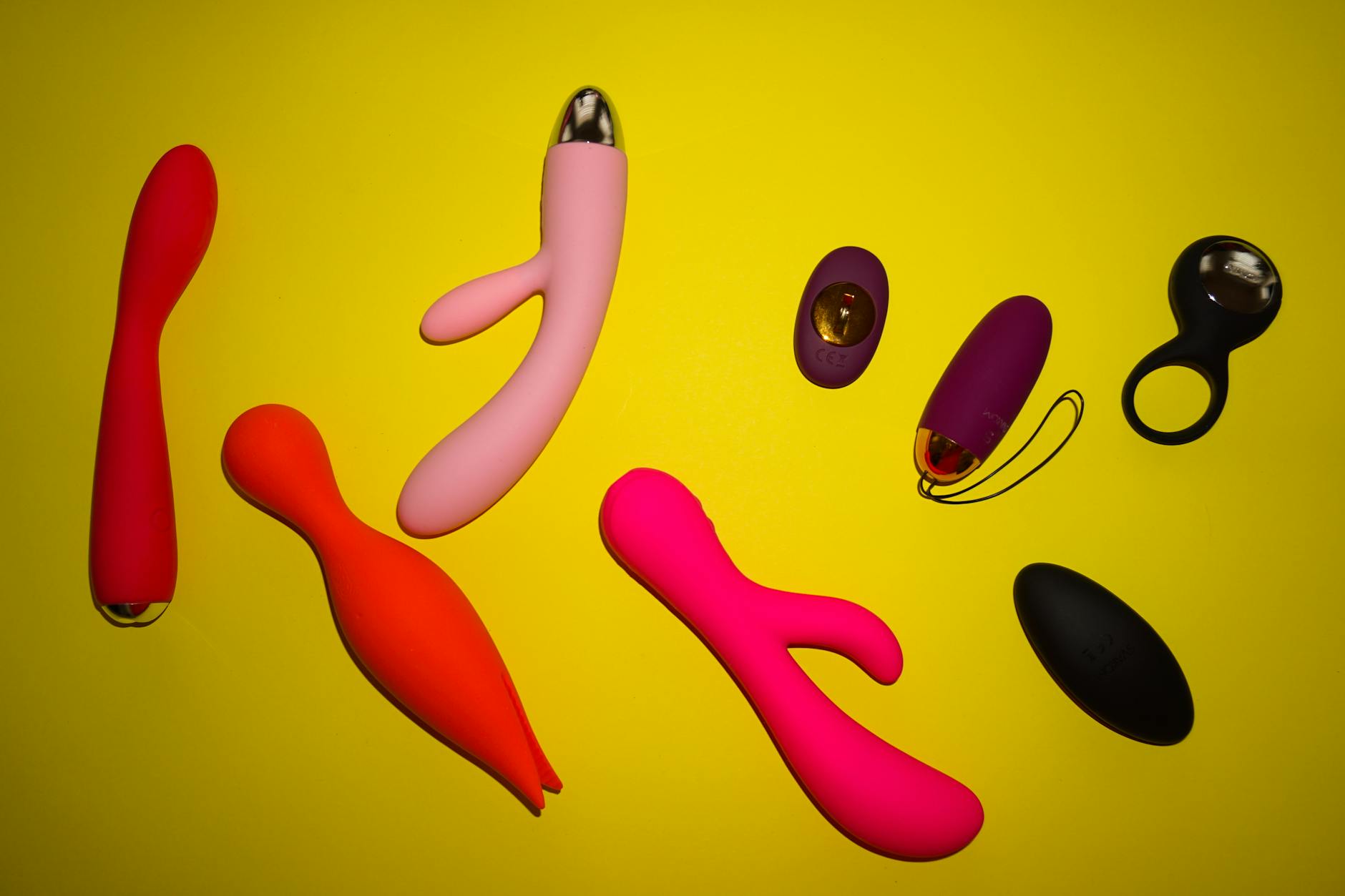
Photo by FounderTips on Pexels
The timing question: when are you actually ready for new partners
Using a lemon vibrator solo isn't a stall tactic. It's preparation. But here's the thing I need to say clearly: rebuilding sexual confidence with yourself doesn't mean you're ready for someone new yet.
Those are two different timelines. Solo pleasure can come back in weeks. Emotional capacity for vulnerability with another person usually takes longer. If you rush from solo rekindling into dating someone new, you risk using them as a distraction instead of building something real.
The question isn't when you can have an orgasm again. It's when your nervous system feels safe enough to let someone else into your body. Those milestones rarely happen at the same time after a breakup.
What to do when you start dating again and your body freezes up
This happens often. You've spent weeks solo, feeling confident with your vibrator, and then someone new touches you and your entire nervous system locks down. That's not failure. That's your body doing its job. It's protecting you.
When this happens, pause. Tell your partner. Slow down. A good partner will understand that your body is rebuilding trust. If they don't, that's information about whether they're the right person.
Using a clitoral vibrator with a new partner is also completely valid. Some people find that starting with familiar sensation makes the transition easier. If you want to bring a vibrator into partnered sex, lead with that. "I want to use this because it helps me feel confident" is a complete sentence. You don't owe anyone an explanation beyond that.
The self-pleasure progression over months
Months two through six after a breakup usually look like this: your solo pleasure becomes more varied. You might experiment with different patterns, different times of day, different mental scenarios. You're not locked into one "this is what works" routine anymore. You have options.
That's actually a gift. Most people in long-term relationships never get to experience that breadth of possibility. Your breakup just handed it to you, even though the package feels heavy right now.
By month four or five, if you're reconnecting with a new partner, you'll have a much clearer sense of what you actually want versus what you thought you were supposed to want. That's powerful information.
Reframing pleasure as part of your healing, not separate from it
There's often shame around using vibrators during or after a breakup. Like you're supposed to be crying in bed, not exploring pleasure. Like wanting physical sensation means you're not properly grieving.
None of that's true. Pleasure and grief can coexist. Actually, they usually do. Your body needs both. Pleasure reminds you that you're alive. Grief reminds you that you loved something real. They're not competing.
Using a clitoral vibrator solo is one of the most grounded, self-directed acts you can do right now. You're not waiting for someone else to make you feel good. You're not seeking external validation. You're learning your own body on your own terms. That's the opposite of avoidance. That's deep, intentional healing.
When to see someone for more support
If months have passed and you still can't feel arousal at all, that might warrant talking to a therapist or even a doctor. Grief can suppress sexual response, and that's normal short-term. But long-term numbness sometimes signals depression that needs more support than self-exploration can provide.
Similarly, if you're using vibrators compulsively as a way to numb out from pain, that's worth examining too. The goal isn't to use pleasure as escape. It's to reintegrate pleasure as a normal part of your nervous system.
Otherwise, trust your body. It knows what it needs. Your job is just to listen.
FAQ: Dating, pleasure, and moving forward
How soon after a breakup can I use a vibrator without feeling guilty?
Immediately, if you want to. Pleasure isn't a sign you didn't care about the relationship. It's a sign you're a human with a body that deserves attention. The guilt usually fades once you separate pleasure from loyalty. Using a clitoral vibrator isn't betraying your ex. It's honoring yourself.
Will using a vibrator solo make it harder to enjoy sex with new partners?
The opposite, usually. People who know their own body and what feels good are better partners. You'll be more confident, more communicative, and more able to advocate for what you need. Solo pleasure builds skills that translate to partnered sex.
What if I don't feel anything the first few times I try?
That's normal. Your nervous system is still in breakup mode. It takes time for arousal to come back online. Don't force it. Use the vibrator a few times without expecting results, just to let your body adjust to the sensation. Pressure to perform kills arousal faster than almost anything else.
Should I tell a new dating partner about the vibrator right away?
No. You don't owe anyone that information until intimacy is actually on the table. When it does come up, lead with what's true for you: "I like using this for solo pleasure" or "I want to incorporate this when we're together." How they respond tells you a lot about whether they're worth your time.
Can using a lemon vibrator help me figure out what I actually want sexually now?
Yes. Long-term relationships set patterns that can feel like preferences but are really just habit. Solo exploration, especially with a tool that gives you consistent, controllable sensation, helps you separate what you actually want from what you learned to want. That's one of the most valuable parts of rebuilding after a breakup.
What if pleasure still feels tied to my ex after months?
That's grief in action. It's not pathological. Your body learned to connect arousal with that person. Rewiring takes time. Consider seeing a therapist who specializes in attachment and sexuality if it's really stuck. Most of the time, though, continuing solo exploration while also processing the relationship emotionally helps the association fade naturally.
You're not behind. You're exactly where you need to be.
Rebuildling sexual confidence after a long-term relationship is not linear. You'll have days where your body feels responsive and present and days where you can barely feel anything. Both are fine. Both are part of the process.
The point of using a clitoral vibrator right now isn't to prove you're over it. It's not to prepare for someone new. It's to remind yourself that your body is still yours, that pleasure is still possible, and that you can take care of yourself in ways that feel genuinely good.
Everything else follows from that.