Let's talk about the actual fear
Here's the thing: it's not the vibrator itself that feels risky. It's the message you think you're sending. You're worried it means you're not satisfied. You're worried they'll think you're too forward or too much. You're worried they'll decide you're "high maintenance" and lose interest.
I need to tell you directly. None of that is what introducing a lemon vibrator actually signals. And delaying this conversation doesn't protect you. It just delays pleasure both of you could be having right now.
Why the timing matters more than you think
Most people wait too long. Not because they're nervous, but because they're waiting for "the right moment." That moment never arrives, so the vibrator stays in the drawer.
Research on couples shows that introducing new elements early, when the relationship is still in the curiosity phase, feels safer than introducing them after a pattern has already been set. Your partner is still learning what you like. You're still learning about each other. The vulnerability is already built in. Adding a tool into that environment is almost incidental.
If you wait six months or a year, suddenly introducing anything feels like a correction or a complaint. The longer you wait, the higher the stakes feel. So don't wait.
The conversation that works
This isn't about degrees of openness. Some people are naturally comfortable talking about sex, and some aren't. What matters is specificity and ease.
Don't lead with "I want to introduce something into our sex life." That phrasing puts them on defense because it sounds like a proposal or a problem.
Instead: "I really like clitoral vibrators. I've been using one on my own for a while and I think I'd like to try it with you. Not instead of anything. Just as something extra."
Notice what that does. You've named the thing (clitoral vibrator). You've given context (you've been using it solo). You've clarified intent (addition, not substitution). You've removed urgency (not a performance demand).
If they ask why, the answer is simple: "Sensitivity and intensity. It feels really good and I orgasm more reliably." Reliability is not threatening. It's practical. It's boring in the best way.
Some partners will want to try it immediately. Some will need to sit with it. Both are fine. You're not negotiating. You're informing.
Why a lemon vibrator changes the dynamic
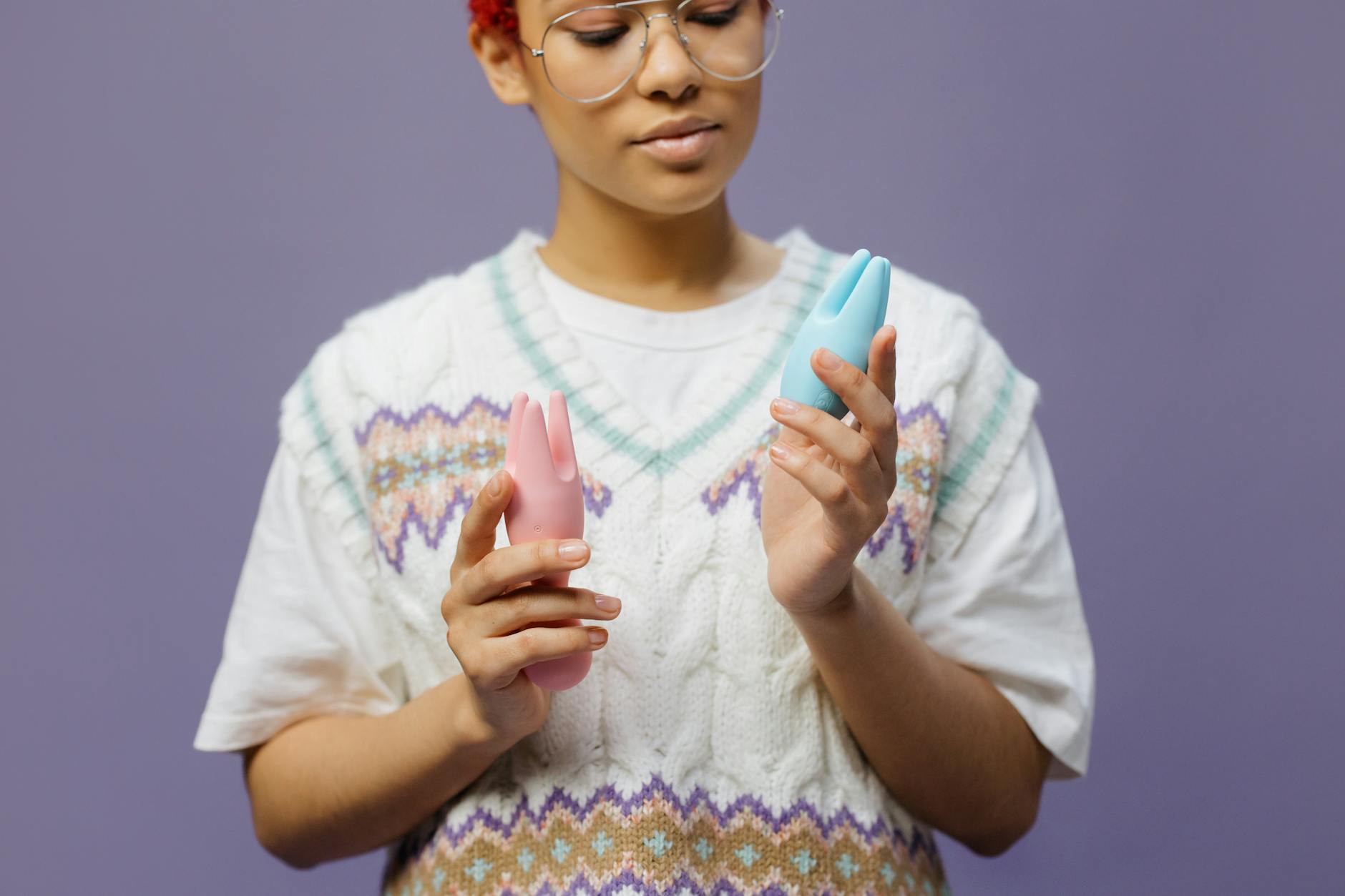
Traditional vibrators carry baggage. They feel clinical or aggressive. Suction-based tools like the lemon vibrator work differently. They're gentler on the body, less intense on initial contact, and they feel less like a replacement for manual stimulation.
A lemon clitoral vibrator also signals something different than a bullet or wand. It's a newer technology, which means introducing it feels like exploration rather than preference. You're not saying "your fingers aren't enough." You're saying "let's try this together."
When you do use it with your partner, start on the lowest setting. Let them watch or hold it themselves first. If they're tactile learners, they'll understand the sensation better by controlling it initially. This isn't about handing them responsibility. It's about reducing the mystery.
What happens in the moment
Your partner might feel unsure about technique. That's normal. They might worry about intensity or timing. Guide them the way you'd guide them into anything else you enjoy. "A little slower here." "A bit more pressure there." Nothing revolutionary.
If you're using a lemon sucker for the first time with them, remember that sensation intensity builds gradually with suction tools. You don't start at high. You build there. This means your partner isn't making a choice between "gentle" and "overwhelming." They're building sensation with you, which is collaborative.
One practical note: if you're using a lem vibrator or similar suction toy, position matters more than with traditional vibrators. You want direct contact with the clitoral hood, not sliding around. Your partner will learn this in real time, and that learning is part of the intimacy.
What to do if they say no
Maybe they're not ready. Maybe they have their own ideas about what sex should look like. Maybe they're uncomfortable with toys generally.
Honestly though. Ask why. "Is it the vibrator specifically or the idea of using toys together?" is a different conversation than "I'm not interested in anything like that."
If it's genuine discomfort with the concept, you have a choice. You can use it solo, which is completely legitimate. Or you can explore whether their resistance is about the tool or about feeling inadequate. Those are different problems.
If you've done the communication work and they're still refusing, that's information about your sexual compatibility. That's not small. I'm not saying leave. I'm saying pay attention to that signal, because sexual compatibility matters in relationships.
Building comfort over time
The first time you use a lemon vibrator together might feel slightly formal. Second time is easier. By the fourth or fifth time, it's just part of your repertoire.
Some partners become curious about the mechanics. They might ask about pressure settings or start suggesting how you use it. That curiosity is a green light. You're moving from "introducing a tool" to "playing together."
Other partners remain neutral about it. They see it as something you enjoy and they're supportive. That's fine too. Not every sexual element needs to be equally exciting to both people. The key is that they're not resistant.
If your new partner seems anxious about clitoral vibrators or sex toys generally, that might connect to deeper stuff. Shame, performance pressure, or previous relationships. You can't fix that. But you can be patient with it, and you can decide whether that pace works for you.
When to hold back
If someone is expressing genuine anxiety about toys, pushing harder won't build comfort. It'll build resentment. There's a difference between nervousness (which relaxes over time) and deeper discomfort (which needs actual conversation or sometimes therapy).
You can say: "I notice this makes you uncomfortable. I'm not trying to pressure you. What would help you feel safer about this?" And then listen without fixing or convincing.
That conversation is harder than just using the vibrator solo. But it's the one that actually builds intimacy. Sex isn't just about the physical act. It's about being known and still accepted.
The long view
You're not introducing a lemon vibrator to make your partner jealous or insecure. You're introducing it because your pleasure matters and you deserve partners who want that for you.
If someone truly loves you, they want you to feel as good as possible. A suction-based clitoral vibrator isn't a threat to that desire. It's aligned with it. Your partner doesn't need to be the sole source of every sensation you experience. They need to be someone who supports you having good sensations.
That's the frame. Not "can I introduce this?" but "I want to explore pleasure with someone who celebrates my sexuality." Anyone who can't do that isn't the right partner. And that's information worth having early.
Frequently asked questions
How long should I wait before introducing a vibrator to someone new?
Not as long as you think. If you're already sexual with someone, waiting months or years doesn't build comfort. It builds awkwardness. I'd suggest raising it within the first few weeks of being intimate, once you've established that you're heading somewhere. Not on the first date. But not after a year either.
What if my partner thinks I'm replacing them with the vibrator?
That fear is more common than the reality. Use the frame from earlier: "I really like clitoral vibrators. I'd like to try it with you." If they jump to replacement anxiety, ask directly: "Does it feel like I'm trying to replace something about you?" Usually the answer is no, but asking lets you surface and address that fear.
Can I use a lemon clitoral vibrator during partnered sex or does it have to be solo?
Both. The lem vibrator and similar suction toys work during partnered penetration, during oral sex, or solo while your partner watches or touches you elsewhere. There's no single right way. Explore what feels good.
What if they want to use it too?
Some partners want to try your clitoral vibrator on themselves. If you're comfortable sharing, that's fine. If you want your own, that's also fine and honestly cleaner. You can always get a second lemon vibrator or introduce them to a different toy.
Is introducing a toy a sign the relationship won't last?
No. Actually, couples who communicate about sex and comfort tend to have more durable relationships than couples who don't. Bringing a vibrator into the conversation means you're already doing the harder work: talking openly about what you want.
How do I know if they'll be into it?
You don't until you ask. And that's okay. The not knowing is part of why people avoid the conversation. But avoidance is what kills relationships, not honest communication about pleasure. Ask. Listen. Respond to what you hear.
The real thing happening here
Introducing a lemon vibrator to a new partner isn't about the toy. It's about establishing that your pleasure is a conversation you can have together. It's about deciding, early, whether someone is capable of celebrating your sexuality or not.
That decision matters. It affects everything downstream. So have the conversation soon. Be clear. Listen to their response. And notice whether they move toward you or away from you when you name what you want.
That tells you what you need to know.