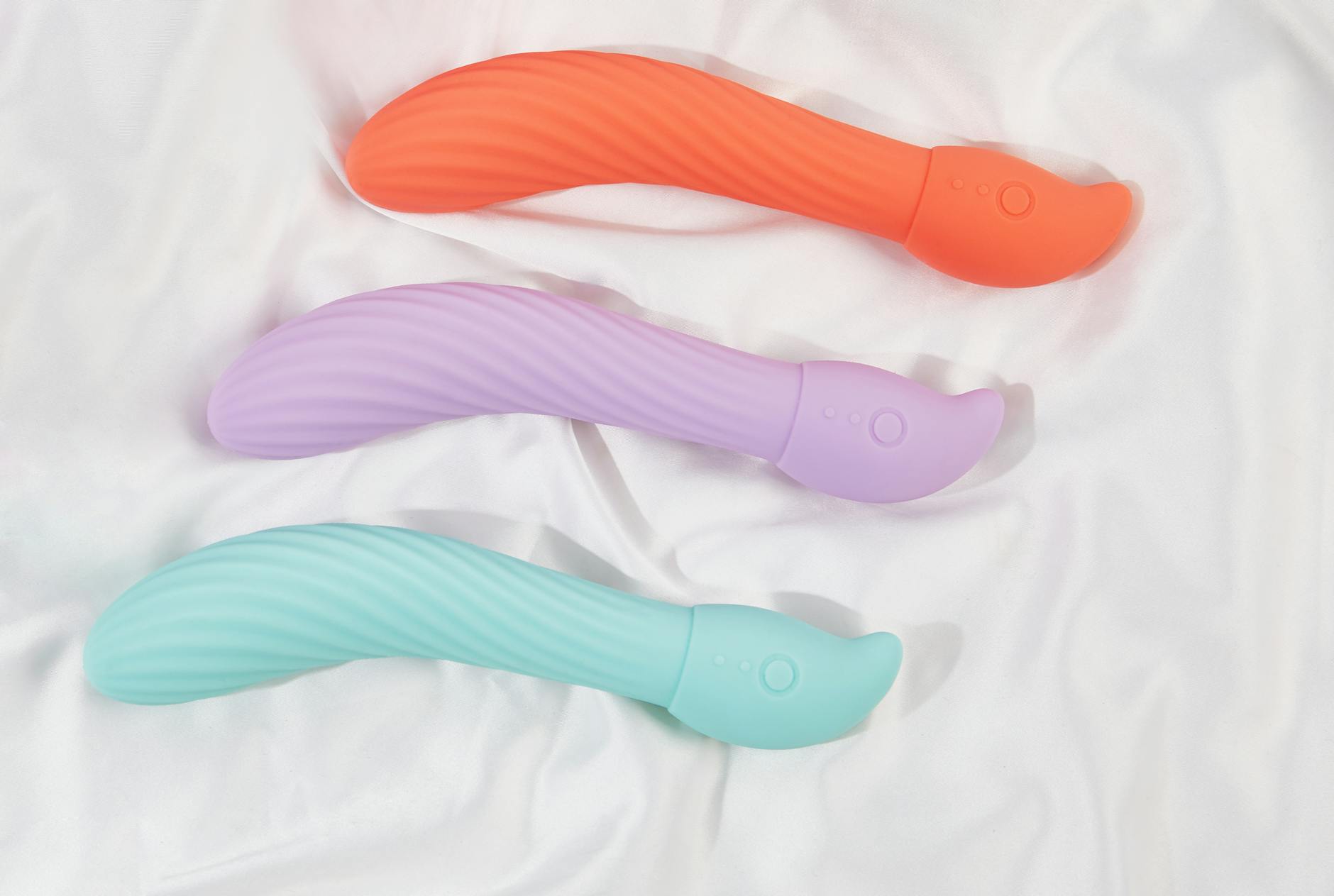
Here's what nobody tells you about lube and clitoral vibrators
You buy a lemon vibrator. You use it dry. It works, sort of. But then someone mentions water-based lubricant, and you try it, and suddenly everything feels completely different. Not just better. Different in a way that makes you wonder why you didn't do this months ago.
That's not placebo. That's physics meeting anatomy, and it's worth understanding because it changes how you experience pleasure with clitoral vibrators.
The suction mechanics that matter
Lemon clitoral vibrators work through suction and gentle pulsing, not vibration alone. When you use them without lubricant, you're creating direct contact between the silicone head and your skin. The suction pulls, but there's friction. Friction creates heat, can cause irritation, and actually dampens sensation because your body's natural response is to tighten up against the pressure.
Water-based lubricant changes that equation completely. It creates a thin, smooth layer between the toy and your skin. That layer does three things at once. First, it reduces friction so the suction feels like a gentle pull instead of an aggressive tug. Second, it actually enhances suction because the lubricant fills microscopic gaps and creates better seal integrity. Third, it lets your tissue relax instead of tensing, which means you feel more, not less.
This is especially true if you've ever wondered why lemon vibrators work better after 40. One reason is that tissue changes with hormonal shifts. Water-based lube compensates for natural changes in moisture and thickness by evening out the pressure distribution across the whole stimulation zone.
Why water-based beats everything else
Silicone-based lubes feel richer and last longer. But here's the problem: silicone degrades silicone. If you're using a silicone lemon vibrator or clitoral vibrator with silicone lube, you're slowly breaking down the toy's surface. It starts fine, but over time the toy gets sticky, loses its sleekness, and attracts lint like nothing else.
Oil-based lubes do the same damage and also get absorbed into silicone, which means the toy becomes less pleasant to touch and harder to clean.
Water-based lubricant is compatible with every material. It washes off with water. It doesn't degrade your toy. And because it's water-soluble, you can top it up mid-session without anything getting gummy or buildup happening. You just add more.
The trade-off is that water-based lubes dry faster than silicone or oil. But that's actually a feature if you know how to work with it. You can reapply as needed, which gives you control over the exact sensation you want from moment to moment.
How to choose the right water-based lubricant
Not all water-based lubes are the same. Drugstore versions often contain glycerin or parabens, which some people find irritating or sticky. The best ones for clitoral vibrators are glycerin-free, paraben-free, and formulated to stay slippery.
Look for lubes labeled as "toy-friendly" or "intimate lubricant." The ingredient list should be short. Water should be first. You want something that feels slick but not filmy, that doesn't dry to a tacky residue, and that cleans up with a warm cloth.
If you have sensitive skin or experience sensations that feel uncomfortable with standard toys, start with a hypoallergenic water-based lube. These are formulated without common irritants and feel just as good as standard versions.
The technique that changes everything
Using lube with your lemon vibrator or any clitoral vibrator is different from using it without. Here's what actually works.
First, warm the lube slightly. Cold lube feels jarring. Rub a little between your hands for ten seconds. Second, apply a small amount directly to the toy head, not to your skin. This prevents the lube from drying out as quickly and keeps the seal between the toy and your body more consistent. Third, start at a lower suction setting. Lube makes sensation more intense because it removes the friction barrier. Pattern 1 or 2 on your lemon vibrator will feel more powerful with lube than it did dry.
Third, don't be afraid to reapply mid-session. If you notice the sensation getting a little rough or the suction feeling less smooth, add a tiny bit more. You're not starting over. You're just topping up what's already working.
Why this matters for partnered pleasure
If you use your clitoral vibrator with a partner, water-based lube becomes even more important. Friction from the toy combined with friction from any other stimulation or contact can quickly become uncomfortable. Lubricant distributed across all the moving parts keeps everything feeling good instead of raw.
It also signals permission. Using lube is a concrete way of saying "I'm not just tolerating this. I'm setting this up to feel incredible." Partners often take that as cue that you're invested in the experience, and that psychological shift matters more than people admit.
What happens if you skip the lube
You can absolutely use a lemon clitoral vibrator without water-based lubricant. Some people prefer the feel, and that's fine. But you're leaving sensation on the table. You're also creating more wear on your tissue and on your toy.
Dry use also limits session length. Ten to fifteen minutes feels fine. Thirty minutes of friction starts to feel less like pleasure and more like work. Add lube, and you can explore for as long as you want because there's no discomfort creeping in.
There's also a physiological piece. Your body produces its own lubrication when aroused. But that production varies. Some days you produce plenty. Other days, less so. Water-based lube compensates for that variability so arousal level doesn't determine how good things feel.
The application mistakes to avoid
Too much lube makes sensation feel muted. The toy slides around instead of creating focused pressure. Too little and you're back to friction. The sweet spot is enough that the toy moves smoothly without slipping around. That's usually about the size of a pea on the toy head.
Don't apply lube and then wait five minutes before using the toy. It'll dry a bit and feel sticky. Apply it right before, or keep the lube bottle close and reapply every few minutes if needed.
Don't use scented lubes unless you have no sensitivity to fragrance. Scent in lube often comes from alcohol or essential oils, both of which can create irritation with prolonged use. Unscented feels weird at first because you're used to associating lube with a specific smell. After one session, you won't notice.
Storage and shelf life
Water-based lubricant has a shorter shelf life than silicone or oil-based versions. Most last 12 to 24 months unopened, and about 6 to 12 months once opened. Store it away from direct sunlight and heat. A dark drawer is perfect.
If your lube develops an odor or changes color, toss it. That's a sign bacteria have colonized it, which defeats the purpose of using a clean lubricant with your toy.
FAQ
How much water-based lubricant should I use with my lemon vibrator?
Start small. A pea-sized amount on the toy head is usually enough for a full session. You can always add more if sensation becomes less smooth, but it's easier to add than to wipe off excess. Too much lube makes the toy slip around instead of creating focused stimulation.
Can I use regular moisturizer as lubricant with clitoral vibrators?
No. Moisturizers are formulated to absorb into skin, not to stay slippery. They'll feel tacky within seconds and won't provide the glide that water-based lube gives. Plus, most contain ingredients that can irritate delicate tissue. Stick to actual lubricant designed for this purpose.
Will water-based lubricant damage my lemon vibrator?
No. Water-based lube is compatible with silicone toys and won't degrade them. In fact, it reduces wear by minimizing friction. Just rinse the toy thoroughly after use and dry it completely before storing. Regular cleaning extends the life of your vibrator significantly.
Is water-based lubricant safe for people with sensitive skin?
Most water-based lubes are safe, but some contain glycerin or parabens that can irritate sensitive skin. Look for lubes labeled hypoallergenic or glycerin-free. Test a small amount on your inner arm first if you're prone to irritation. Your pleasure matters, and the right lube makes a huge difference.
How long does water-based lubricant last during use?
Water-based lube dries faster than silicone-based options, typically lasting 10 to 20 minutes depending on the specific product and your natural moisture. That's actually a benefit because you can reapply and adjust sensation as you go. Keep the bottle close and don't hesitate to top up whenever sensation feels like it's changing.
Can I use water-based lubricant with other clitoral vibrators besides lemon vibrators?
Absolutely. Water-based lubricant works with any silicone clitoral vibrator. In fact, pairing lube with toys like lemon suction vibrators or other air-pulse toys often makes the most noticeable difference because suction-based stimulation responds especially well to the smoother sensation that lube provides.
The bottom line
Water-based lubricant isn't an accessory. It's part of how clitoral vibrators are meant to feel. The difference between using your lemon vibrator dry and using it with the right lube is the difference between good and genuinely transformative. If you've been using toys without lube, try it once with water-based lubricant. You'll understand immediately why this matters.
Your pleasure deserves that investment. Questions about what works best for your body or your relationship? Reach out and let's talk.