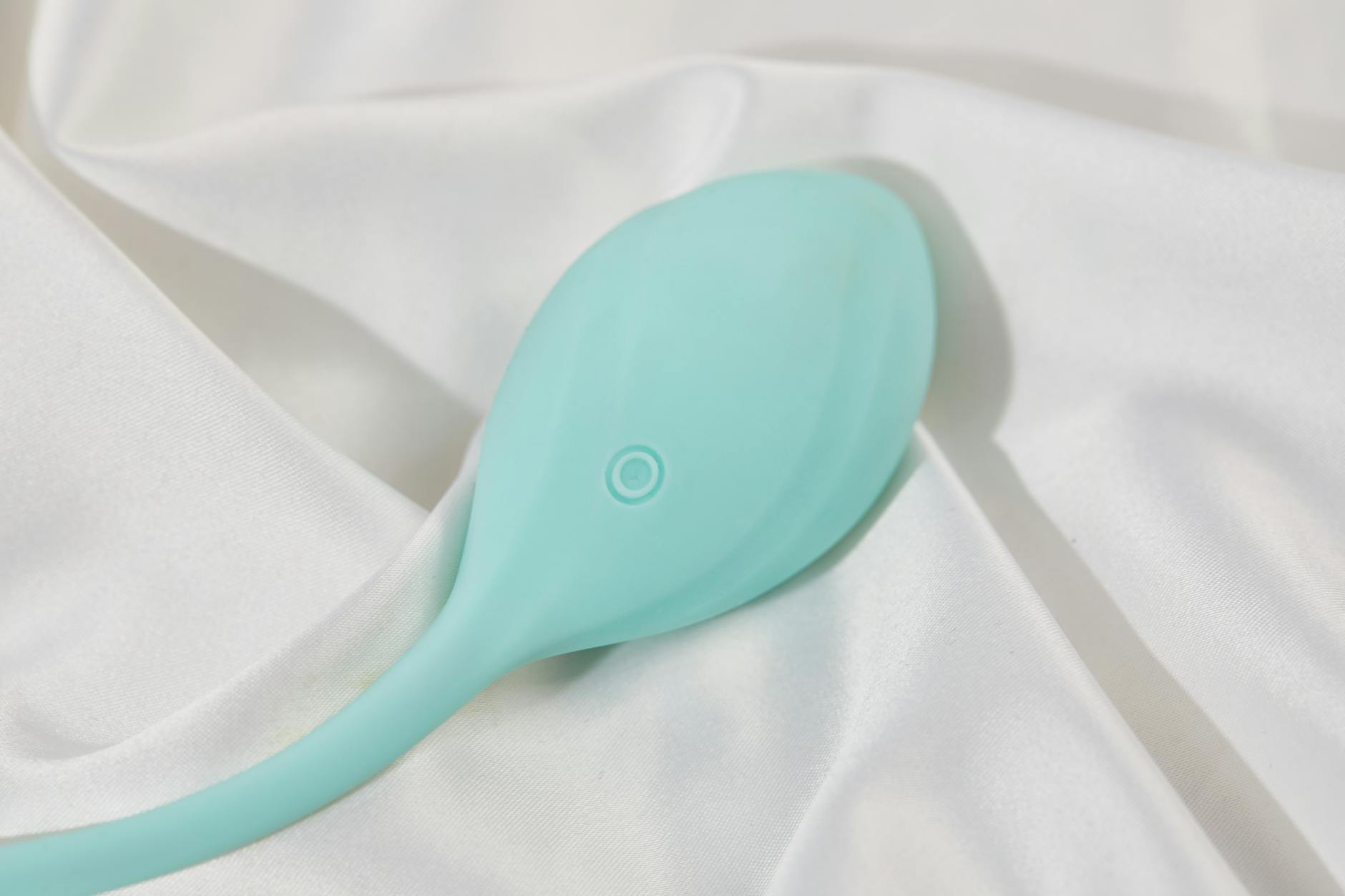
The conversation nobody wants to have (but everyone should)
Let's be real. Bringing up a lemon vibrator with your partner feels like you're saying something's missing. It's not. You're saying something could feel better, which is wildly different.
The problem is that most people learn to have this conversation all wrong. They wait until they're halfway through sex, or they blurt it out during a vulnerable moment, or worse, they leave a browser tab open and hope they notice. None of those work. What does work is treating it like any other conversation about pleasure.
Why the Lem works differently in partnered sex
Here's the thing about lemon clitoral vibrators. They're not designed to replace anything. They're designed to eliminate the cognitive load of trying to do manual stimulation while managing everything else that's happening. For you, that's freedom to focus on sensation. For your partner, that's freedom to focus on connection instead of their arm getting tired.
The Lem uses suction, not vibration. That matters in couples' contexts because it creates a totally different sensation profile than traditional vibrators. Suction stimulates without the numbing effect of buzz, which means most people find they can use it during partnered sex without losing feeling or arousal for their partner. It's not a replacement. It's an addition.
That distinction is the foundation of every conversation you're about to have.
Step one: frame it as a pleasure experiment, not a complaint
Don't lead with "I want to use a vibrator because." Lead with "I've been curious about trying something that might feel even better for both of us."
The framing shifts everything. "I want to try" is collaborative. "I need" sounds like dissatisfaction. "Have you ever wondered about" opens the door to their curiosity instead of putting them on the defensive.
Pick a time when you're clothed and calm. Not in bed. Not right before sex. Not after a fight. A casual moment over coffee or in the car works because the low-stakes environment makes the conversation feel natural.
Step two: explain what you know (and what you don't)
If you've already researched lemon vibrators or clitoral vibrators in general, great. Share that. "I read that these feel really different from traditional vibrators" or "A friend mentioned she loves how these work with a partner" normalizes the idea that other people are curious too.
If you haven't researched it yet, that's fine too. "I'm curious about how this would feel and whether we'd both like it" is honest.
The key is naming what you DON'T know. "I have no idea if we'd even like it" gives your partner permission to say the same thing. It's not a done deal. It's a question mark.
Step three: make it explicitly optional and pressure-free
This is the part that actually matters. Tell them: "I want to try this, but only if you're curious too. No pressure. We can try it once and decide it's not for us."
Mean it. If they say no, the answer is no. If they say "maybe later," the answer is maybe later, not "let me convince you." Partners who feel coerced don't have good sex. They have resentful sex.
Some partners will be immediately into it. Others will need time to warm up. Others will genuinely not care either way. All of those are fine outcomes.
Step four: agree on what "trying it" actually looks like
Don't assume they know what you're imagining. Are you talking about the Lem during foreplay? During sex? Alone, with them watching? All of those are different experiences and deserve different conversations.
If you're both new to lemon adult toys or clitoral vibrators in general, agree on a first scenario that feels low-pressure. "Let's just use it during foreplay and see how it feels" is less loaded than "let's try this during sex."
If your partner is new to watching you use a vibrator, that's its own thing. Some partners love the visual. Some find it hot that they're not responsible for every bit of stimulation. Some feel self-conscious. Talk about what you think will feel good for both of you.
Step five: actually use it (and pay attention to their cues)
When you finally get to the moment, here's what matters: communication doesn't stop. It just shifts from words to presence.
If you're using a lemon clitoral vibrator during partnered sex, stay connected to your partner. Make eye contact. Touch them. Ask them questions. "Is this working for you?" "Do you like watching this?" These aren't mood-killers. They're mood-builders because they're real.
When you reach orgasm, your partner will feel it. Your muscle contractions change. Your breathing shifts. The whole energy of your body is different. That's actually one of the hottest parts of introducing a lemon vibrator into partnered sex, because your partner gets to feel what pleasure looks like on you in a new way.

Photo by cottonbro studio on Pexels
What to do if they seem uncomfortable
If your partner looks tense or quiet, pause. Not forever. Just check in: "How are you feeling?" Sometimes people need a beat to adjust to something new. Sometimes they're into it but nervous. Sometimes it's genuinely not their thing.
All of those are workable problems. Nervousness goes away with time and reassurance. Discomfort sometimes doesn't, and that's fine. You try once, you decide together it's not for you, and you move on.
The relationship damage comes from pretending everything's fine when it's not, or pushing forward when someone's said they're uncertain.
After the first time: the actual debrief
This is where most couples mess up. You have sex, something shifts, and then nobody talks about it. That's the fastest way to create weird tension.
Instead, actually debrief. Not intensely. Just honestly. "That was hot" or "That felt weird to me" or "I'm not sure" are all valid things to say.
If it went well, great. You can do it again. If it felt awkward, talk about what specifically felt off. Was it the pressure to perform? The novelty? The physical sensation itself? Sometimes the second time is better just because the newness wore off.
If your partner didn't like it, the answer might be that lemon vibrators just aren't their thing. Or it might be that a different approach would work better. "Maybe next time I try it solo and just tell you about it afterward" or "Maybe we need more foreplay before adding it in." These are all legitimate adjustments.
The long-term reality of using a lemon vibrator with partners
Once you've done it a few times, it becomes normal. You're not introducing a vibrator anymore. You're just using it the same way you'd use your hands or your mouth. It's part of your toolkit.
Most partners report that the novelty wears off in a good way. It stops being A Thing and becomes a thing you do sometimes. Which is exactly what you're going for.
The other thing that tends to happen is that your partner gets more invested in your pleasure over time. When they see what genuinely works for you, what makes your body respond, they often want to learn how to do that themselves. Some partnerships evolve into "you use the Lem while I do this other thing" and both people love it. Some stay "sometimes you use it solo, sometimes with me watching." Both work.
When communication breaks down
If introducing a lemon clitoral vibrator becomes a pressure point in your relationship, that's usually a sign that something else is going on. Maybe one partner feels unseen in the bedroom. Maybe there's resentment about who initiates. Maybe sex has become obligatory instead of connected.
A sex toy won't fix that. Communication will. If you're stuck, couples therapy actually works. A good therapist can help you have the conversations you need to have, and then introduce toys into that context where it's not loaded.
That's not a failure. That's actually the healthiest path forward.
FAQs: partnered lemon vibrator use
Should I ask permission before suggesting a lemon vibrator?
You don't need permission to have a conversation. You do need consent before actual use. Big difference. Bring it up. If they say no, respect that. If they say yes, you're good. The Lem is your toy to use the way you want, but using it with a partner requires their active agreement.
What if my partner thinks I'm not attracted to them anymore?
That's the fear underneath most resistance. Address it directly. "I love having sex with you. I want to try something that might feel amazing, and I want to share it with you." You're not replacing anything. You're not saying they're not enough. You're saying you want to explore pleasure together.
How do I introduce it if we've never talked about sex openly?
Start smaller. Talk about what you like during sex. Talk about what feels good. Talk about what you're curious about. Once you've had a few of those conversations, introducing a new toy becomes part of an ongoing dialogue instead of a shock.
Is it weird if my partner wants to use the lemon vibrator on me?
Not weird at all. Some partners love having control over the sensation. They love seeing what makes you react. If your partner wants to hold the Lem and use it on you, that's actually pretty intimate. Let them.
What if we try it and my partner gets jealous of the vibrator?
That usually means they feel replaced or like they're not enough. Check in: "What's coming up for you?" Sometimes it's insecurity that you can have an orgasm with a toy and not with them. Sometimes it's just novelty weirdness. Either way, talking about it matters more than the toy itself.
Can we use a lemon vibrator if we're long-distance?
You can use it solo and tell your partner about it. You can send photos or videos. You can't physically share the sensation, but you can share the experience. Some long-distance couples love that kind of connection.
The bottom line
Introducing a lemon clitoral vibrator into your relationship is not about fixing anything. It's about expanding what's possible. The conversation is the hard part. Once you've had it honestly, the rest is just pleasure.