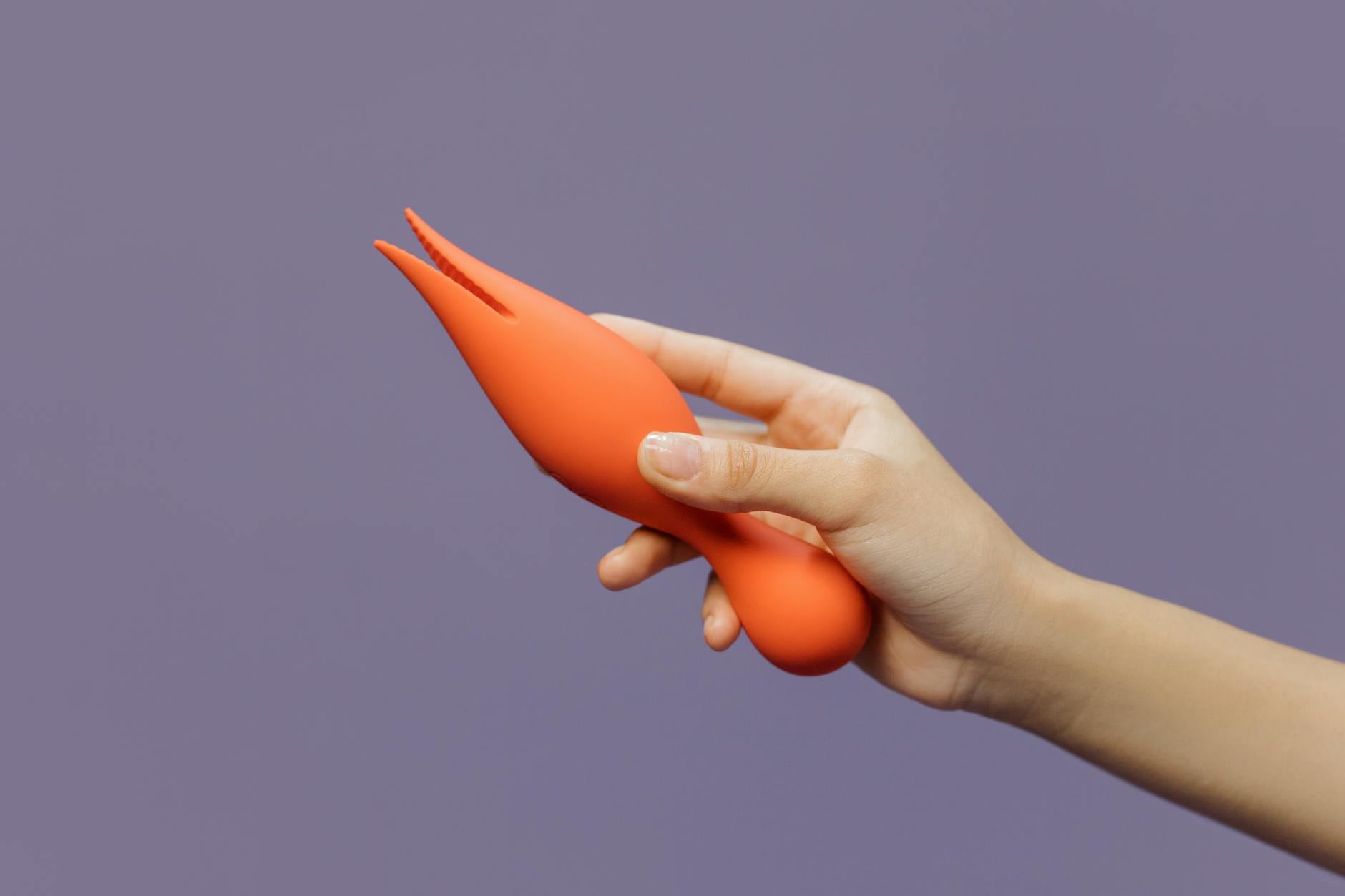
Here's the thing about new relationships and toys
Most people wait until the relationship feels "settled" to mention they use sex toys. By then, silence has already sent a message. That message is usually something like "this matters less than staying comfortable," which is the opposite of what you want to build. The earliest conversations about pleasure are actually the earliest conversations about trust.
If you're thinking about introducing a lemon vibrator into a new relationship, you're not being impatient. You're being honest. That matters.
Why new relationships are actually the best time
Counterinstinctively, early-stage relationships have lower stakes for this conversation. There's no years of "we've never done that" momentum to fight. There's no shame deposit built up. There's just two people still figuring each other out.
When you mention that you use a clitoral vibrator early, you're not changing the relationship. You're revealing it. There's a meaningful difference. One feels like a surprise twist at season three. The other feels like part of who you are from the beginning.
Research on long-term couples shows that partners who introduce toys or discuss pleasure preferences in the first three months report higher sexual satisfaction five years in. Not because the toys are magic, but because the communication muscle gets developed when it's still new and easy to rebuild.
How to open the conversation (without making it weird)
The opener matters less than people think. You're not delivering a TED talk. You're just being direct.
"I want to tell you something about my pleasure so you know me better." That's it. Then: "I use a vibrator. Specifically, I like lemon vibrators because the suction feels different than other toys. I'm telling you because I want us to be open about this stuff, and I'd love to hear what you're curious about or have questions about."
Notice what that does. It names the specific toy (lemon vibrator), explains why you like it without apology, and immediately makes space for their response. You're not asking permission. You're sharing information.
If they react with curiosity, that's the best outcome. They might ask how it works, what suction feels like, whether you'd want to use it together. Those are all good doors.
If they react with hesitation, ask what's underneath it. "Are you worried it means something about what you do for me?" or "Does it feel like I'm not satisfied?" Most hesitation softens fast once it's named.
Don't over-explain. That signals shame. You like lemon clitoral vibrators. That's normal, healthy, and part of how you experience pleasure. Done.
When to actually use it together
Introducing the conversation is not the same as introducing it to the bedroom. Those can be weeks apart, and that's completely fine.
Here's what I recommend: let a few sessions of partnered sex happen first. Let arousal happen naturally between you. Then, when you're already intimate and things are moving well, mention it casually. "I'm thinking about using my vibrator while we're together. Would that feel good to you?"
Most new partners say yes immediately because they're already aroused and they like you. The specific mechanics of how it works can be explained in the moment.
Why wait a few sessions? Because the first time you're together is not the time to introduce variables. Your nervous system is already working hard to stay present with a new body, new rhythm, new touch. Adding a toy is a conversation, not a disaster, but letting basic comfort develop first makes the toy feel like enhancement rather than necessity.
Why lemon vibrators change the dynamic
This matters more than you'd think. Lemon vibrators use suction instead of traditional vibration. That small difference shifts how partners perceive the experience.
With a traditional vibrator, there's often an unspoken narrative that the partner can't do the job alone. That vibrators are a "backup." Suction toys don't carry that baggage because suction doesn't simulate anything a body can do. It's not a faster version of manual stimulation. It's a completely different sensation.
Partners often feel less defensive about lemon vibrators because they're so obviously a different category of toy. You're not comparing. You're expanding. That subtle distinction in how your partner experiences it makes the whole conversation feel less fraught.
The other thing: suction typically builds sensation gradually. You don't snap it on to full strength. You start low. That pacing actually mirrors good partnered sex. It's collaborative by design. Your partner watches sensation building the same way they would during foreplay. That shared attention often brings people closer, not farther apart.
The vulnerability piece (and why it matters)
Let's name what's actually happening here. You're telling someone new to your life that you have specific desires. That you know your body. That you're not waiting for them to figure you out.
That is fundamentally vulnerable. Good partners recognize that and feel honored by it.
If your new partner responds by being curious, asking questions, even wanting to learn how your lemon vibrator works so they can use it on you. That's a green flag the size of a tennis court. They're not threatened. They're invested in your pleasure.
If they shut down or withdraw, that's information too. Not necessarily a dealbreaker, but information worth sitting with. Healthy partnership means both people can talk about sex without it becoming a referendum on the relationship.
I often see couples where one person used toys solo for years and never mentioned it. Then five years in, there's a weird shame moment when it comes out. The relationship didn't become less intimate because of the toy. It became less intimate because the person waited so long to be honest.
Don't do that. Start here, while things are still open and uncertain. Vulnerability early builds intimacy that lasts.
Logistics that actually matter
A few practical things that smooth the transition.
First: make sure your lemon vibrator is clean and charged. This is not about paranoia. It's about respect for your partner and for the toy. A fully charged vibrator that's visibly cared for sends a message about how you value pleasure.
Second: have lube nearby. Even if you don't usually need it, suction toys sometimes work better with a tiny bit of lubrication around the opening. Water-based lube is fine. This is also a non-threatening way to involve your partner. "Can you put a little lube here?" is intimate and practical.
Third: control the device yourself the first time. Don't hand it to them immediately. You know how it feels at different intensities. You know what pressure works for your body. Let your partner watch you use it on yourself first, then explore together if you both want to.
That last point does something important. It removes performance pressure. You're not lying there waiting for them to figure out the toy. You're demonstrating what feels good. That's information and intimacy at once.
What happens after
Most couples fall into one of three patterns.
Some use the lemon vibrator together regularly. It becomes part of partnered sex. That's great.
Some use it solo mostly, but mention it casually ("I used my vibrator this morning") the way you'd mention a workout or a shower. It stops being a secret and becomes just a thing you do.
Some find that the conversation matters more than the toy itself. You've named desire. You've practiced being honest about pleasure. The vibrator becomes less important than the permission structure you've built together.
All three are healthy outcomes. What you're actually building is a relationship where saying "I want this" is normal. Everything else follows from there.
The lemon vibrator is just the vehicle. The real work is the conversation.
FAQ: New Relationships and Lemon Vibrators
When in a new relationship is too early to mention vibrators?
There's no universal timeline, but generally the first month is too early if you haven't had sex yet. After you've been intimate and things feel natural, that's usually a good window. Some people bring it up on the second date in conversation. Some wait three months. Listen to your gut about whether you feel safe being honest. Safety matters more than timing.
What if my new partner thinks vibrators mean I'm not satisfied with them?
This is the most common worry, and it's worth addressing directly. A lemon vibrator is not a replacement for your partner. It's a different sensation, the same way oral sex is different from intercourse. They're not in competition. You might say: "A vibrator and your touch give me different kinds of pleasure. I want both." Most people understand that quickly.
Should I let them use the lemon vibrator on me or do it myself first?
Do it yourself first. Show them how it feels, what intensity you like, what turns you on about it. Then, if you both want to, they can try. This removes the pressure on them to intuitively figure out a new device and keeps the focus on your pleasure rather than their performance.
What if they say they don't want vibrators in the relationship?
That's a conversation, not a refusal. Ask what's underneath the "no." Is it a values thing? Insecurity? Past experience? Sometimes people soften when they actually understand what a lemon vibrator is and how it works. Sometimes that boundary matters to them and you have to decide if that works for you. Either way, you now know something crucial about them.
Can using a lemon vibrator together actually bring us closer?
Yes, but not because of the toy. It brings you closer because you've practiced vulnerability and communication. The toy is just the context. What you're actually building is a relationship where "I want this" is safe to say. That transfers to everything else.
How do I bring it up if I'm worried about seeming too kinky or demanding?
Separate the tool from the desire. You're not asking for anything extreme. You're saying you like a specific sensation that a clitoral vibrator provides. That's not kinky or demanding. That's just knowing your body. Frame it as information about yourself, not a request he has to fulfill. "I use lemon vibrators because I like how the sensation builds" is different from "I want you to buy me toys." One is about you. The other puts pressure on him to perform or provide.