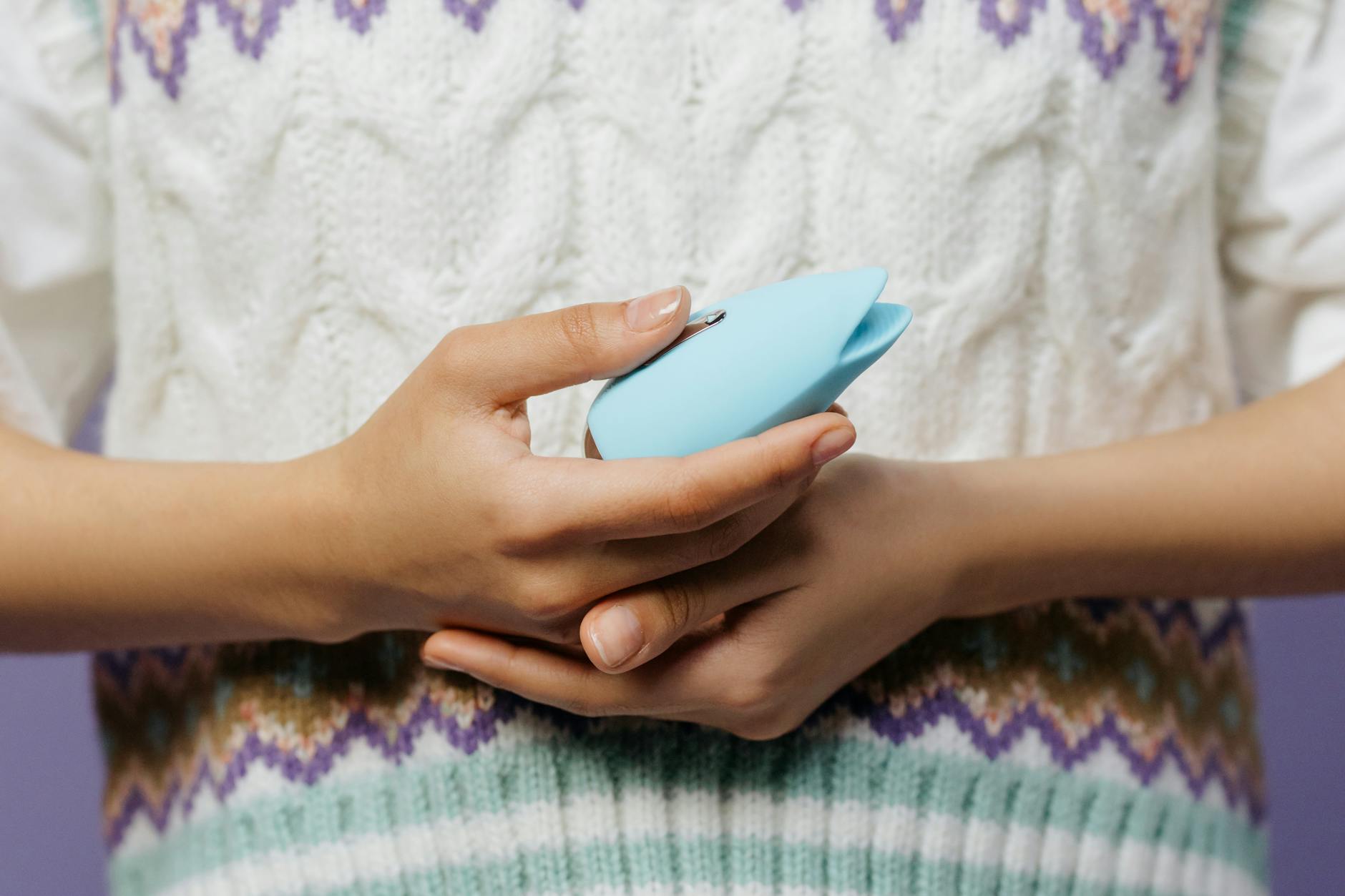
How to Use a Lemon Vibrator When Sex Hurts After Childbirth
Let's be real. Nobody tells you that sex might hurt after you have a baby. The conversations center on bleeding, exhaustion, and whether your body will ever feel normal again. But postpartum pain during sex is shockingly common, rarely discussed, and almost always manageable. A clitoral vibrator like the Lem can actually help you rebuild pleasure safely, but timing and technique matter.
Here's what I see in my practice: people assume that if penetration feels painful, all sexual pleasure is off the table for months. It's not. The clitoris has its own nerve pathway, independent of vaginal healing. Using a lemon clitoral vibrator strategically during recovery can help you reconnect with sensation, rebuild desire, and work through fear around pain without forcing your body to do anything it's not ready for yet.
Why postpartum sex hurts (and when it typically resolves)
The pain isn't in your head, and it's not permanent. After vaginal birth, the perineum (the area between your vagina and anus) stretches significantly. Even with an intact perineum, the tissue is swollen, bruised, and healing. That's before we factor in the hormonal crash. Estrogen plummets after birth, which thins vaginal tissue and reduces lubrication. If you're breastfeeding, that effect intensifies.
Then there's the psychological layer. Pain creates a protective reflex. Your nervous system remembers the injury and tightens up preemptively. The longer you avoid sex out of fear, the more entrenched that reflex becomes.
Physically, most people can begin gentle sexual activity around six weeks postpartum, assuming no complications. But "can" and "should" are different conversations. Pain during penetration often doesn't resolve until three to four months postpartum, sometimes longer. That's a long time to avoid pleasure altogether.
The case for clitoral pleasure before penetration
Here's the strategic part. Your clitoris didn't give birth. It doesn't need to heal. Using a lemon clitoral vibrator gives you three crucial wins during early postpartum recovery.
First, you stay connected to pleasure. This matters psychologically. Pleasure tells your nervous system that your body is safe and trustworthy. Avoiding all sexual sensation for months can amplify postpartum anxiety and depression.
Second, you rebuild desire gradually. Postpartum hormones tank. Oxytocin (bonding hormone) is elevated if you're breastfeeding, but dopamine (desire) often crashes. A vibrator gives you a low-pressure way to remind your body what arousal feels like without the performance pressure of partnered sex.
Third, you gather information. Touch with a vibrator tells you where your body stands. If your clitoris feels numb or hypersensitive, that's useful data. If arousal builds quickly or takes forever, you know what to expect when you're ready for partnered sex.
When to actually start: the timeline that works
Your doctor probably gave you a six-week clearance. That's the minimum for stopping bleeding and beginning low-impact activity. It's not a green light to ignore pain.
I recommend waiting until at least eight weeks postpartum before using any toy, and ideally twelve weeks. In those first eight weeks, your body is in acute healing mode. Adding stimulation, even non-penetrative, can feel like too much.

Photo by Olga Lioncat on Pexels
At twelve weeks, if lochia (postpartum bleeding) has stopped and you're not experiencing sharp pain with normal movement, you can begin gentle exploration. Not because your perineum is fully healed. It'll take six months to a year for complete tissue remodeling. But because you've reached a point where adding sensation won't interfere with core healing.
Talk to your OB or midwife if you're uncertain. Every birth is different. Cesarean recovery operates on a different timeline. If you had a serious tear or significant tearing, your provider might recommend waiting longer.
How to actually use a clitoral vibrator safely postpartum
Start with stillness. Download the Lem app (if you have the smart version) or just hold the toy. Don't turn it on yet. Let your clitoris remember what touch feels like without vibration. Thirty seconds of contact, zero pressure, just presence.
When you're ready to turn it on, start at the lowest setting. Most clitoral vibrators, including lemon vibrators and the Lem, have multiple intensity levels. You want pattern 1 or 2, not pattern 5. Your tissue is healing and more sensitive than baseline. Light pressure actually feels better than you'd expect.
Keep sessions short. Fifteen to twenty minutes max, especially early on. Your pelvic floor is already working overtime managing healing and hormonal changes. Extended stimulation can create tension rather than release.
Use it solo first. I know this sounds obvious, but the stakes feel different when you're alone. If sensation is uncomfortable, you can stop immediately without explaining or managing a partner's reaction. If arousal doesn't happen, that's just data, not a performance failure.
Managing the specific pain points
If your clitoris feels numb, this is the estrogen effect, especially if you're breastfeeding. The numbness is temporary. Using the vibrator on very low settings actually helps wake the nerve endings back up. Don't push into discomfort, but gentle, consistent micro-stimulation helps restore sensation faster than avoidance.
If your clitoris feels hypersensitive or painful when touched, that's a sign to stop. Some postpartum tissue gets overly reactive. In that case, wait another two to four weeks and try again. The window will shift.
If you feel pain in the perineum or around any scars, stop immediately. Perineal pain is your signal that the area isn't ready. Keep using the toy on clitoral sensation alone. Avoid anything that touches or puts pressure on healing tissue.
The conversation with your partner (if you have one)
Postpartum sex reshuffles everything. Your body has changed. Your availability has changed. Your desire, your pain, your energy. Your partner might feel rejected if you're avoiding penetration. You might feel guilty. Or resentful. Or both.
Using a clitoral vibrator is not a replacement for partnered sex, but it can be a bridge. Instead of "we can't have sex because it hurts," the conversation becomes "here's how we can share pleasure while my body heals." Your partner can watch, can be involved, can hold you, can participate in a completely different way than they did before.
The Lem or another lemon clitoral vibrator gives you permission to prioritize your own pleasure without pressure. That's not withdrawal. It's healing.
Emotional rebuilding matters as much as physical healing
Postpartum pain creates fear. Your brain learned that sex equals discomfort. Even after tissue heals, that association lingers. Using a vibrator on your own terms, in your own timeline, at your own pace actually rewires that fear.
Each time you experience pleasure without pain, your nervous system updates. Slowly, tentatively, your body learns to trust sensation again. This is the invisible work that no one mentions but everyone needs.
If pain persists beyond six months, if you feel no improvement by four months, or if the fear around sex becomes paralyzing, talk to a pelvic floor physical therapist or your provider. Postpartum pain can be a symptom of pelvic floor tension that responds beautifully to targeted treatment. You don't have to white-knuckle through this.
Frequently Asked Questions
Can I use a vibrator before my six-week postpartum clearance?
No. Your body is still bleeding and healing at six weeks. Even clitoral stimulation without penetration adds stress to a healing perineum. Wait until at least eight to twelve weeks, and ask your provider if you're uncertain about your individual timeline.
Will using a vibrator affect my ability to breastfeed?
No. Clitoral stimulation is completely separate from breast tissue and milk production. Hormonal changes from sexual activity are minimal and won't impact your supply or your baby.
What if penetration still hurts but clitoral stimulation feels fine?
That's incredibly common. Your clitoris heals faster than your vaginal tissue and perineum. You can enjoy clitoral pleasure for weeks or months while your body finishes healing from penetration. There's no rush to reintroduce penetration until it actually feels comfortable.
Is it normal to have no desire for sex postpartum?
Completely normal. Postpartum hormones crash, you're sleep-deprived, and your body feels foreign. Using a vibrator isn't about forcing desire. It's about gently reminding your nervous system what pleasure feels like. Desire often follows sensation, not the other way around.
Should I use lube with a clitoral vibrator postpartum?
Yes. Even though you're not doing penetration, postpartum estrogen depletion reduces all vaginal lubrication. A little water-based lube on the toy makes everything feel better. It reduces friction and makes the sensation feel less clinical.
When is it safe to move from clitoral to penetrative sex again?
When penetration doesn't hurt. Not when you think it should be fine, not when your partner is ready, but when your body actually doesn't experience pain. That might be three months. It might be six. Listen to your body, not the calendar.
The bottom line on postpartum pleasure and lemon clitoral vibrators
Postpartum pain is real. But it's also temporary and highly responsive to thoughtful, gradual rebuilding. A clitoral vibrator like the Lem gives you a tool to reconnect with pleasure safely while your body heals. Start late (twelve weeks), start low (pattern 1), start solo (no pressure), and honor what your body actually needs instead of what you think it should want.
Your pleasure matters during recovery, not after. Your body is trustworthy, even when it hurts. And there's no timeline for getting back to normal because you're not the same person anymore. You're different. Your sex life will be different too. That's not a loss. It's just a new chapter.
If pain persists or fear takes over, reach out to a provider. Pelvic floor therapists and postpartum specialists exist for exactly this reason. You deserve support, not suffering.
Ready to explore when you're ready? Shop our collection of clitoral vibrators or reach out with any questions.