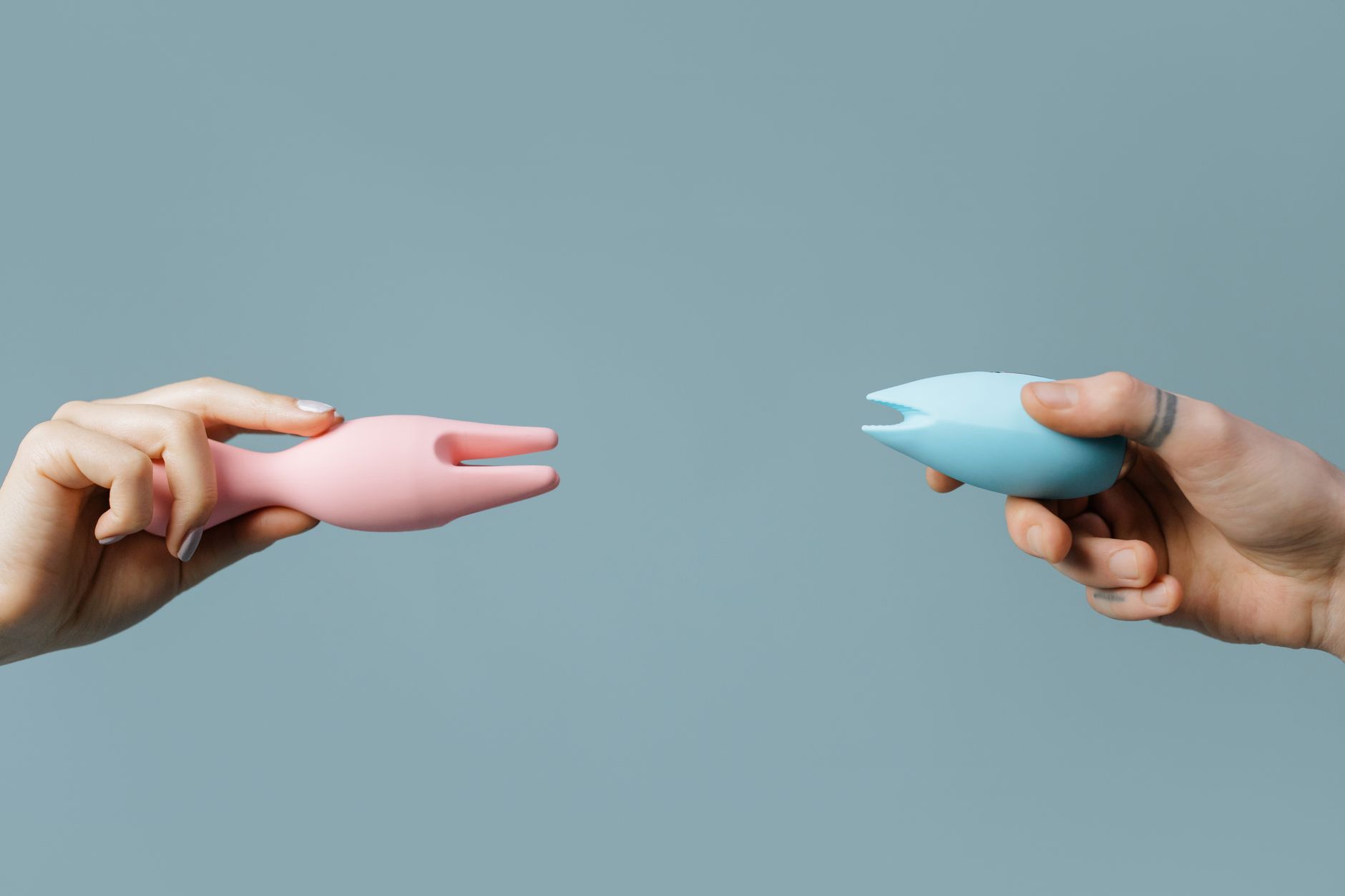
Let's name the thing everyone avoids talking about
One of you wants sex more often. The other doesn't. Not because anyone's broken or unloving. Just because desire frequency is wildly different between almost every couple, and pretending it isn't creates a low hum of resentment that never quite goes away.
Here's what usually happens: the higher-desire partner feels rejected. The lower-desire partner feels pressured. You both end up having less sex, not more, because the whole thing feels loaded. A lemon clitoral vibrator solves this not by magically fixing the mismatch but by taking the pressure off that particular dynamic entirely.
The real problem isn't your desire difference
Mismatched libidos are so common that researchers basically stopped studying them as anomalies. Something like 30 to 50 percent of couples report some mismatch. Most of those couples are still together and still like each other. The problem isn't the difference. It's the story you've built around it.
You've probably told yourself one of these: "They don't find me attractive anymore." Or: "I'm being asked for too much." Or: "Something's wrong with us." None of those are usually true. Desire frequency is influenced by stress, sleep, medication, whether you had a hard conversation that day, what you ate for lunch, and about eighty other variables that have nothing to do with how attracted you are to your partner.
A lemon vibrator, used solo, stops the scorekeeping. It lets the higher-desire partner access their own pleasure on their own timeline without waiting for consensus. It lets the lower-desire partner enjoy partnered sex without feeling like they're always being asked for something they can't deliver.
How to talk about this without making it worse
The conversation itself matters more than the tool. Here's how I'd frame it to a partner: "I love sex with you. I also sometimes want to orgasm when you're not in the mood, and that's not a reflection on you. I want to get myself there sometimes. I'm thinking about using a lemon vibrator solo. I wanted to tell you first because honesty matters to me more than secrecy."
Notice what's missing from that script. No apology. No "Is that okay with you?" (You get to make this choice independently.) No explanation of what's "wrong" with them. Just clarity.
Some partners will immediately feel relieved. Others will need reassurance that solo pleasure doesn't mean partnered sex is off the table. That's fine. Give them the reassurance. Then use the vibrator anyway.
If you're the lower-desire partner and your partner is bringing this up, the most generous thing you can do is say yes. Not because you should feel obligated to say yes to anything, but because solo pleasure doesn't involve you. It's not asking you for time, attention, or arousal. It's the opposite of pressure.
When to use the vibrator solo and when to incorporate it together
These are two completely different conversations.
Solo use is about giving yourself permission to have pleasure whenever you want it, whether your partner's interested or not. This is the bedrock. Get comfortable with this first. Charge your lemon vibrator. Use it when you actually want to, not on a schedule. Maybe that's twice a week, maybe that's twice a month. The point is choice, not obligation.
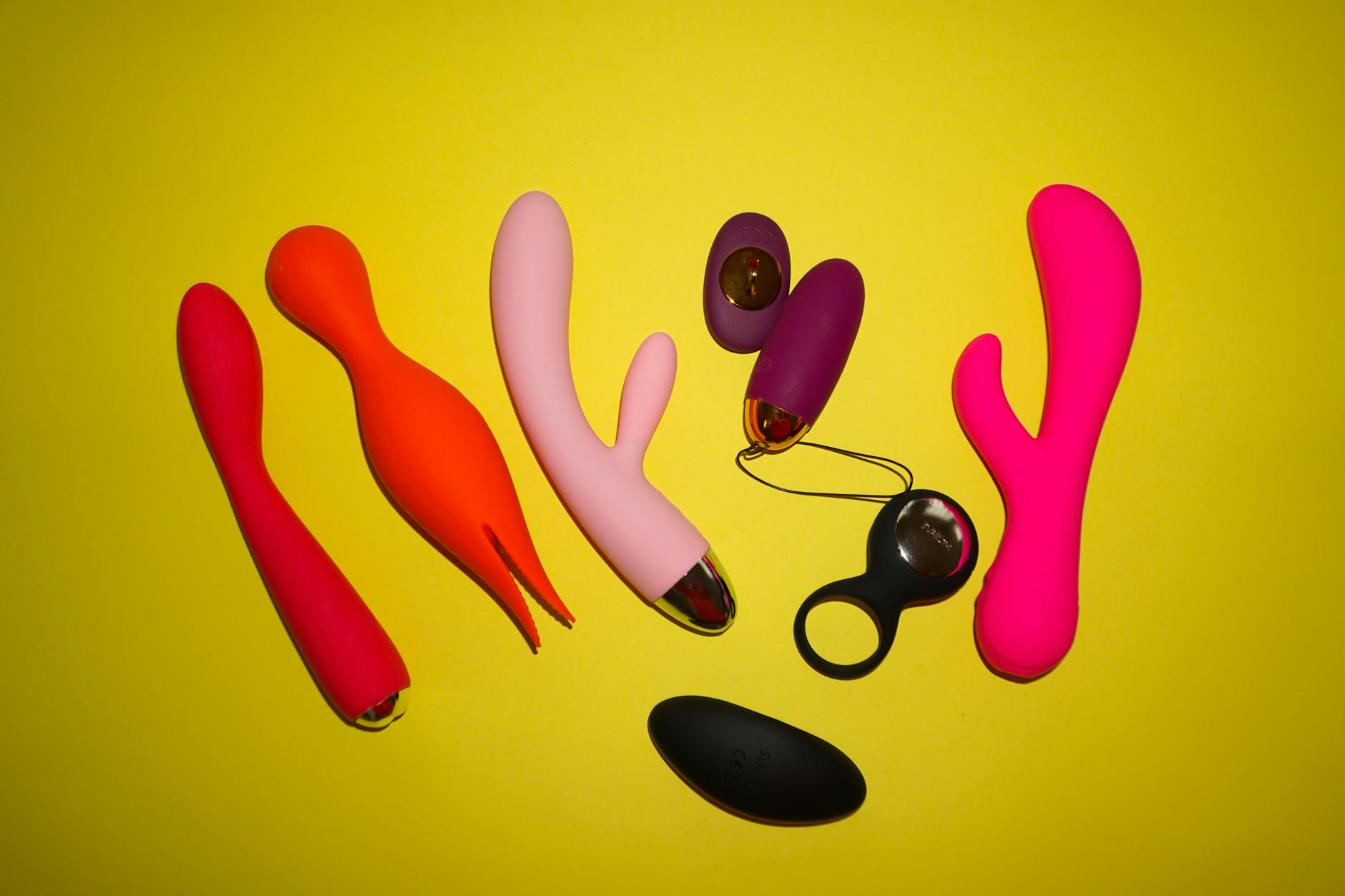
Photo by FounderTips on Pexels
Incorporating it into partnered sex is a different project. Some couples do this naturally. Others need to talk about it. Some people find that watching their partner use a lemon clitoral vibrator while they're inside them (or beside them, or doing something else entirely) is genuinely hot. Others prefer their solo and partnered pleasure completely separate. Both are fine.
If you want to try using it together, start by using it solo in front of your partner first. Seriously. No pressure to make it sexual or performative. Just use it while you're both lying in bed, maybe talking, maybe quiet. Let them see that it's just a tool for your pleasure, same as your hand would be.
The specific patterns that help when desire is mismatched
If you're the higher-desire partner, these are your friend: using the vibrator in the morning before your day starts, or late at night after your partner's asleep, or on lunch break. Takes fifteen minutes. Solves for three days' worth of pressure you would have unconsciously put on your partner.
If you're the lower-desire partner, try this: on nights when your partner initiates and you're not quite there yet, sometimes you might say, "I'm not feeling it, but I'd love to be in the room with you while you use your vibrator." Or be asleep while they do. Or read a book. The point is you're no longer making a binary choice between sex and nothing. There's a third option where you're both getting what you need.
When you do have partnered sex together, the vibrator becomes a tool for synchrony, not compromise. If your partner gets close to orgasm but you're not there yet, they can use the vibrator to finish while you do whatever gets you there. No one's waiting. No one's frustrated that the timing's off.
Why this actually strengthens the relationship
You know what kills long-term partnerships? Resentment. And you know what feeds resentment? Unmet needs that never get discussed, plus a partner who feels chronically rejected or chronically pressured.
Using a lemon vibrator solo doesn't fix the mismatch. It just removes it from the relationship. Your desire difference is still there, but it's no longer a fight you're both losing. One of you gets to have pleasure whenever you want it. The other gets to not feel guilty about not always wanting it at the same time. Both of these things are actually possible.
Partners who've been stuck in the mismatch cycle often find that once they take the pressure off, desire evens out a bit naturally. Not because the vibrator magically changes anyone's libido, but because sex stops feeling like a test you're both failing. It becomes something you both actually enjoy again.
A practical note on comfort and timing
The lemon clitoral vibrator's suction design means you're not relying on the same kind of stimulation you'd get from a partner. That's useful here because it means masturbation and partnered sex feel genuinely different. Your body responds to different things. Using the vibrator solo isn't practice for partnered sex. It's pleasure on its own terms.
If you're using it together, temperature and comfort matter. A lemon vibrator that's been in your nightstand all day is cold. Five seconds under warm water helps. If you're using it during partnered sex, talk about positioning beforehand so no one's cramping up trying to make it work geometrically.
Start with the suction at level one or two, especially if you've been in the lower-desire role for a while. Sensation changes when you're relaxed versus when you're feeling any kind of pressure or obligation. You might need less intensity than you'd expect.
People also ask
Is using a vibrator alone when you're in a relationship cheating?
No. Masturbation is not infidelity. Solo pleasure and partnered pleasure are two different categories of experience. Using a lemon vibrator to satisfy yourself when your partner isn't interested in that moment isn't betraying anyone. It's taking care of a need. Partners who feel threatened by masturbation usually feel threatened because they've confused desire with devotion. They're separate things.
Will my partner feel less wanted if I use a vibrator without them?
Only if you make it about them. If you frame it as "You didn't want me so I had to get off another way," yes, that lands as rejection. If you frame it as "I enjoy pleasure, and sometimes I want it solo," that's just information. Most secure partners find the second framing a relief.
Should I ask permission before using a vibrator solo?
No. Your body belongs to you. You don't need consent to masturbate. You do need honesty, though. If your partner doesn't know you're using a vibrator and finds out later, they'll feel kept out of the loop. Tell them. Don't ask. There's a difference.
Can a clitoral vibrator actually help with desire mismatches or is it just a band-aid?
It's both. It's a band-aid on the immediate pressure dynamic, which is actually really valuable. But the real work is the conversation about desire being normal and variable. The vibrator just gives you space to have that conversation from a place of less resentment.
What if my partner feels insecure about me using a vibrator?
That's a feelings conversation, not a permission conversation. Listen to the actual worry underneath. Usually it's something like, "Will you still want me?" or "Am I not enough?" Then you get to address that directly. "I want you. I also want solo pleasure sometimes. Those aren't mutually exclusive." Sometimes it takes a few repetitions. That's normal.
Is it normal for couples to have such different desire levels?
Completely. Most couples do. The ones who don't usually just haven't admitted it yet, or one person's sacrificing their actual needs. When you ask couples therapists what the most common presenting issue is, it's usually desire mismatch. You're not unusual. You're just more honest about it than most.
The thing that actually changes everything
Once you separate solo pleasure from partnered pleasure, you both get permission to want what you actually want. Not what you think you should want. Not what you're supposed to want. What you actually, genuinely want.
For some couples, that means the higher-desire partner uses a lemon vibrator twice a week solo and has sex with their partner twice a week too. For others, it means one partner uses it daily and they have partnered sex monthly. There's no "right" frequency. There's just what works for both of you without anyone feeling guilty or pressured.
That's when things shift. Not because the vibrator fixed anything. But because you finally stopped fighting about who wants what and started just... taking care of yourselves and each other. Have questions about navigating pleasure in your relationship? Reach out to us. We're here to help.