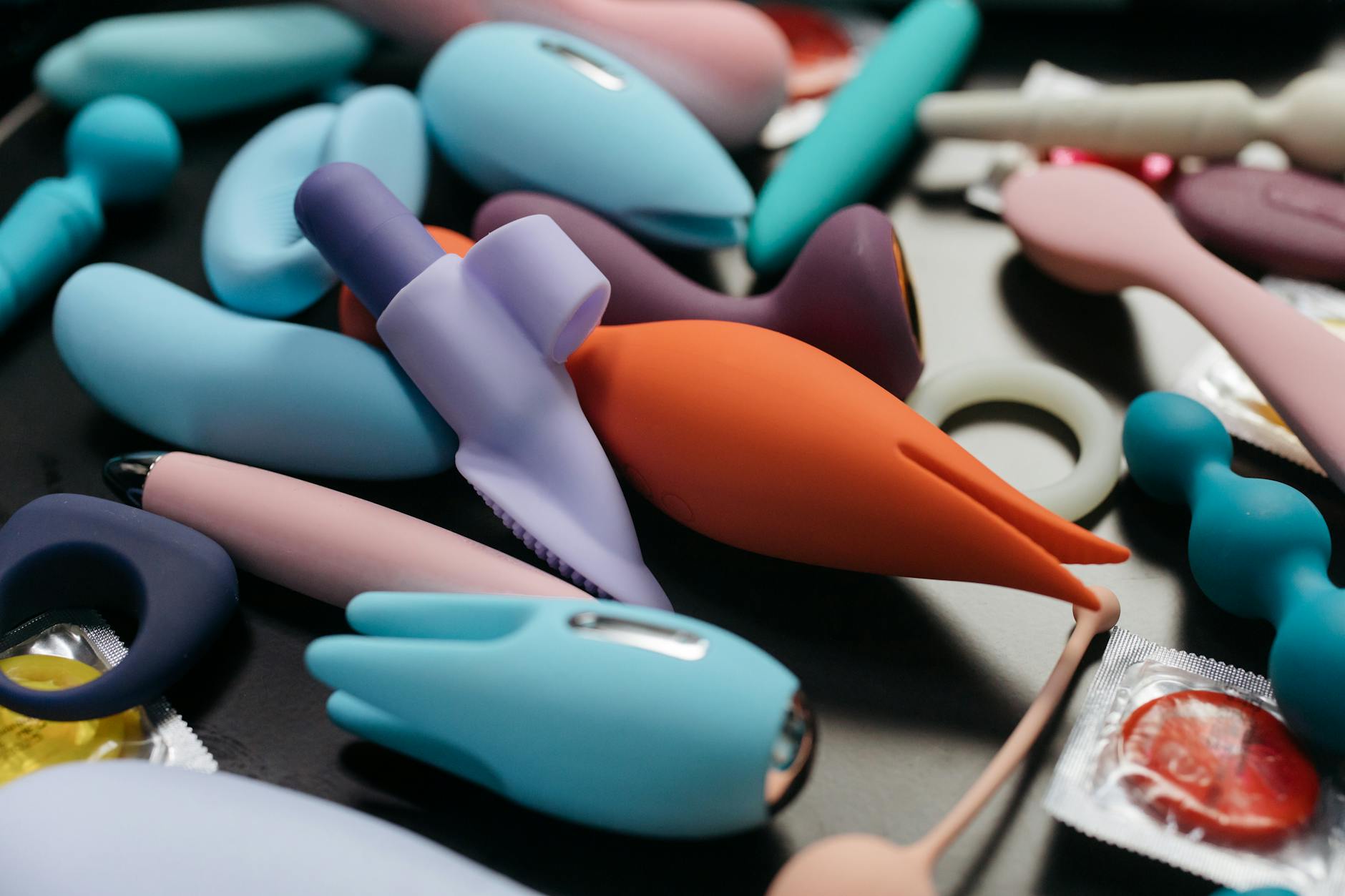
The estrogen-clitoral sensitivity link nobody talks about
Honestly, this one gets buried under menopause checklists and hormone charts. Your clitoris is packed with estrogen receptors. When estrogen drops, the tissue thins. That means sensation dulls, response time stretches, and what used to work stops working the same way. It's not dysfunction. It's biology. And there's a real tool for it.
Here's what changes and what stays the same: the nerve endings don't disappear. Your capacity for pleasure doesn't vanish. What shifts is the thickness of the epithelial layer and how quickly blood flows to the area during arousal. A lemon clitoral vibrator handles this better than most toys because suction works differently than vibration alone.
Why tissue thinning changes everything
Estrogen maintains blood flow and keeps genital tissue plump and reactive. Without it, tissues become more fragile and less elastic. Your clitoris is basically a miniature version of a penis, complete with a glans and prepuce (the hood). When estrogen drops, the glans loses thickness, which means it becomes more sensitive to direct pressure and less responsive to gentle vibration.
This is why the lemon suction approach matters. Instead of relying on speed or intensity to create sensation, suction pulls blood toward the area and stimulates the entire clitoral complex at once, including the internal bulbs that run along both sides of the vaginal opening. You're waking up nerve clusters that might be sleeping, not trying to shock an overstimulated surface.
The timeline: most people notice changes gradually. Some feel it within weeks of hormonal shifts. Others take months to realize their go-to toys aren't delivering like they used to. That's not a sign something's wrong with you. It's a signal to recalibrate.
How suction adapts when sensitivity shifts
Think of regular vibration like a jackhammer. It works great when tissue is thick and can absorb the impact without irritation. Suction works more like a gentle vacuum. It's creating a pressure gradient that brings sensation, not imposing it from the outside.
When you use a lemon vibrator on low suction strength, you're essentially priming the area. Blood rushes in. Nerve endings wake up. Then, when you increase intensity, you're not adding trauma to thin tissue. You're building on a foundation that's already engaged.
Start on pattern 1 or 2, never jump to full strength. Spend 10 to 15 minutes in that zone before you even think about turning it up. Your clitoris is like any other part of your body that needs a warm-up. The difference is that most people don't give it one, especially when sensitivity feels low.
The lubrication question with estrogen changes
Here's a detail that matters more than anyone mentions: when estrogen drops, lubrication decreases throughout the genital area, including where the hood sits. That means suction can feel stickier or less gliding than it used to.
Use a water-based lubricant around the clitoral hood and the entrance to the suction cup. Just a thin layer. This does two things: it reduces friction (which can feel uncomfortable on thin tissue) and it actually improves the seal, so suction feels more consistent.
Don't use silicone lube with a silicone toy like the lemon vibrator. Silicone degrades silicone. Stick to water-based. And reapply if you're going longer than 20 minutes. Your body might not be providing the natural lubrication it used to, and that's not a flaw. It's just a new variable to manage.
Pacing and sensation building when response slows
One of the sneakiest parts of estrogen-related sensitivity shifts is that arousal takes longer. Your clitoris still responds, but it might take 15, 20, or even 30 minutes instead of five.
Most people panic and assume they're broken. They're not. They're just operating on a different timeline. The lemon vibrator can actually help here because it provides consistent, reliable stimulation without the mental pressure of "why isn't this working yet."
Set a timer if you have to. Tell yourself you're going to spend 20 minutes exploring without expecting an outcome. Use patterns that feel like they're building something rather than going nowhere. Many people find that medium-strength suction with longer duration beats high intensity with short bursts.
If you're using this with a partner, this is worth a separate conversation. "My arousal timeline has shifted" is useful information. "Something's wrong with me" is a dead end. You're not losing capacity. You're just operating at a different rhythm.
When to adjust vs. when to seek support
Not all clitoral sensitivity shifts are purely estrogen-related. Birth control, antidepressants, thyroid issues, and stress all affect blood flow and sensation. If sensitivity changes happen suddenly or feel extreme, it's worth checking in with a doctor who's familiar with sexual health.
That said, most estrogen-related shifts are gradual and respond well to three things: time to adjust, better lubrication, and a toy that suits the new baseline. The lemon vibrator was designed with this in mind. Suction toys work particularly well for people dealing with thinner tissue or reduced natural lubrication.
One more thing: if discomfort appears during stimulation, stop and evaluate. Pain and reduced sensation are not the same thing. Pain is a signal. Low sensation is just information about your current state.
Building pleasure back when sensitivity feels muted
Here's the bit that actually matters most: lower sensitivity doesn't mean lower capacity for pleasure. It means you need different input.
Many people find that once they stop fighting their new baseline and start working with it, their orgasms change in ways they actually like. They might feel less sharp and more diffuse. That's not worse. That's different. Some describe it as deeper or more full-body.
Use your lemon vibrator to explore, not to chase the sensation you remember. Try patterns you've never tried. Experiment with different suction strengths on the hood versus directly on the glans. Discover what your current body is into, rather than trying to resurrect what your previous body was into.
This is where patience pays. Spend weeks understanding your new baseline. You might find you like it.
People also ask
Can estrogen changes make the clitoris permanently less sensitive?
No, but it can create a new baseline. Clitoral tissue responds to estrogen, so when levels drop, sensation shifts. If estrogen returns to previous levels (through HRT or other means), sensitivity often normalizes. In the meantime, toys designed for reduced sensitivity, like suction vibrators, help you find pleasure where you are now, not where you were.
Is a lemon clitoral vibrator better than regular vibrators when estrogen is low?
Often yes, because suction works differently than vibration. Regular vibrators rely on speed and intensity to create sensation. Suction creates a pressure change that draws blood and stimulates the whole clitoral complex. For thinner, less responsive tissue, that's usually gentler and more effective. But every body is different. Some people get more from suction. Some prefer a hybrid toy that combines suction with vibration.
How long does it take to adjust to a new sensitivity baseline?
Typically 4 to 8 weeks of consistent exploration. Your nervous system adapts. Pleasure pathways rewire. But this only happens if you're actually using a toy and paying attention, not waiting for sensation to magically return on its own. The lemon vibrator can accelerate this because it provides consistent feedback while you're adjusting.
Should I use a higher suction strength if I can't feel much?
Countintuitive but no, not at first. Start low and build. High suction on sensitive or thin tissue can feel uncomfortable or even painful. You want to find the sweet spot where you feel something pleasant without strain. That spot often exists at strength levels 2 or 3, not 5. Patience up front saves frustration later.
Can lubrication help if my clitoris feels numb?
Numbness is different from reduced sensitivity, but lubrication helps both. Friction can mask sensation. Removing it sometimes reveals sensation that was always there. Plus, if natural lubrication is low due to estrogen changes, external lube reduces irritation and makes everything feel better. Always use water-based with your silicone lemon vibrator.
What if my sensitivity is related to medication rather than hormones?
Many medications, especially SSRIs and some blood pressure drugs, blunt genital sensation. Talk to your doctor about timing (some people take meds at night to minimize bedroom side effects) or switching medications. In the meantime, a lemon vibrator can help bridge the gap. Suction works better than vibration for medication-related sensitivity loss because it compensates differently.
The bottom line
When estrogen dips, clitoral tissue changes. That's not poetic or metaphorical. It's literal. Tissue thins, lubrication decreases, arousal takes longer, sensation dulls. A lemon suction vibrator adapts to this biology instead of fighting it. You're not broken. You're just operating with different hardware. Once you understand that, you can start building pleasure that actually works for your current body.
If you're navigating these shifts and need support figuring out what works for you, we're here. Reach out to Shop Lemon Sex Toys with questions about which product might suit your needs.