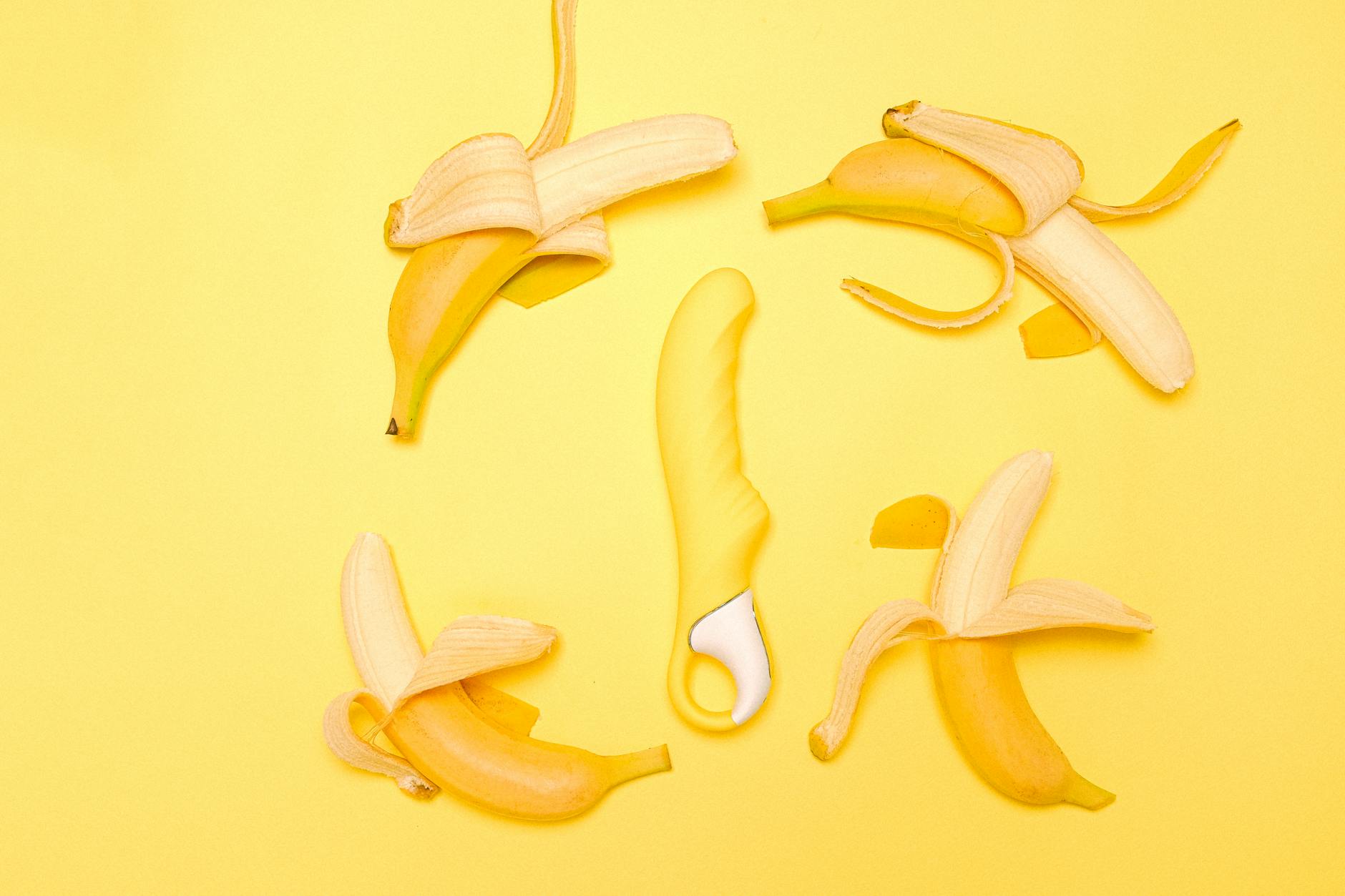
Let's talk about what happens to pleasure after pelvic trauma
Pelvic floor surgery, childbirth trauma, or sexual trauma doesn't just affect your body physically. It rewires your relationship with touch, sensation, and arousal itself. Many people I work with describe it as feeling like a stranger in their own skin. That's not an exaggeration. It's a real neurological and psychological recalibration.
The good news is that rebuilding sensation and pleasure is possible, and it doesn't require months of waiting passively. But it does require intention, the right tools, and permission to go slower than you did before. A lemon vibrator, specifically a suction-based clitoral vibrator rather than a traditional vibrator, can actually be one of the gentlest ways to reintroduce stimulation because it doesn't rely on direct friction on sensitive, healing tissue.
Understanding what's different post-surgery or post-trauma
After pelvic floor surgery (whether it's a hysterectomy, pelvic floor repair, or other gynecological procedure), your nervous system has been through a shock. The tissues are healing, scar tissue may be forming, and your brain has learned to protect this area by dampening sensation. That protection mechanism is useful during recovery. It becomes a problem when it persists after healing is complete.
Trauma adds another layer. Beyond the physical healing, the nervous system goes into a pattern of guarding. Touch that once felt safe now triggers a protective response. Your pelvic floor tightens involuntarily. Arousal pathways that used to open automatically now require you to actively negotiate with your own body.
The lemon sucker approach works here because suction creates a different sensory experience than traditional vibration. It's less about direct pressure and more about gentle rhythmic pulling, which many people find less triggering during the reintroduction phase.
When to start and what your doctor should say
First, you need clearance from your surgeon or gynecologist. Most will give you a timeline. For post-surgical recovery, that's typically six to eight weeks before any internal contact, longer for anything involving the deeper pelvic structures. For trauma recovery, there's no standard timeline because it's psychological as much as physical. Your therapist and your body are the measure.
What you're looking for from your healthcare provider is not just "yes, it's medically safe" but also "yes, I understand what you're trying to do." If your doctor seems uncomfortable or dismissive of the pleasure recovery question, that's actually useful information. It might be worth finding a provider who specializes in sexual health after surgery or trauma. They'll give you better guidance.
Once you have clearance, you don't have to wait for the sensation to return naturally. You can actively work with it.
Starting with external stimulation only
If you had pelvic floor surgery or internal trauma, the first reintroduction phase is entirely external. This means lemon vibrator use focuses on the vulva, the clitoris, and the external tissues. No internal contact yet. This matters because it gives your nervous system a chance to remember that touch in this area can feel good without the added complexity of internal sensation.
Begin with the lowest intensity settings. On most lemon clitoral vibrators, that's setting one or two. The goal isn't an orgasm at this stage. The goal is sensation without pain or triggering. You're basically introducing your nervous system to a familiar tool in a new, gentler context.
Starting with light touch helps too. Rather than pressing the vibrator fully against the clitoris, try hovering it just above the tissue or placing it against the outer labia first. Let your body adjust to the sensation in stages. This might feel like you're moving backward, but you're actually building new neural pathways.
Building tolerance over weeks, not days
You'll likely find that sensation returns in patches and stages. One day the left side feels more responsive than the right. Another day, higher intensities feel okay but lower ones feel weird. This is normal. Your nervous system is literally remapping what's safe.
Over two to four weeks of gentle, regular use (maybe two to three times per week), most people notice a shift. The guarding softens. Sensation becomes more consistent. Arousal pathways start to activate more automatically. This is when you might try slightly higher intensity settings, but still external only.
The timeline varies wildly. Someone recovering from a straightforward episiotomy might progress in weeks. Someone with complex pelvic floor trauma might take months. There's no failure mode here. Slower is actually better for your nervous system because it means deeper integration, not just mechanical sensation returning.
When sensation doesn't return as expected
If you're three weeks in and the lemon clitoral vibrator still feels numb or uncomfortable, that's usually a sign you need additional support. This could mean pelvic floor physical therapy, trauma-informed sex therapy, or both. Sometimes desensitization after trauma is more psychological than physical, and a vibrator alone can't solve that. That's not a limitation of the tool. It's information that you need a different kind of support alongside it.
A few red flags: if stimulation causes pain that doesn't improve, if you feel increased anxiety after using the vibrator, or if the experience triggers flashbacks, pause and get support from a trauma-informed therapist. A lemon vibrator is a tool for pleasure recovery, not a solo treatment for trauma.
Moving from external to integrated pleasure
Once external sensation feels stable and pleasurable again, usually six to twelve weeks post-surgery depending on the procedure, many people naturally want to explore more. At this point, internal contact might be medically safe, but your nervous system might need more runway.
Some people find that external-only lemon vibrator use remains their preference long-term. That's completely valid. Others want to gradually reintroduce internal sensation. If you do, the principles are the same: slow, low-intensity, checking in with yourself emotionally and physically.
Why Lemon Vibrator Suction Feels Totally Different offers more detail on why suction-based stimulation works particularly well for sensitive tissue. The reduced friction is often gentler than traditional vibration during reintroduction.
The emotional piece nobody talks about
Your body went through something difficult. Your nervous system responded by protecting you. Now you're asking it to open again. That's not just physical. It's emotional work too.
If you're doing this alone, be patient with yourself. If you're in a relationship, having a partner who understands this journey makes a real difference. They don't have to be in the room. They just need to understand that pleasure recovery is a legitimate part of healing, not a bonus feature.
Many couples I work with find that talking through this before reintroducing any vibrator helps. The conversation might sound like: "I want to start working on sensation again. I'm going to try using a tool that worked for me before. I might need space to do this alone first. I'll let you know how I'm feeling." Clear communication takes the weirdness out of it and makes it feel like what it actually is: part of your healing.
Practical setup for solo recovery
You want privacy, comfort, and zero pressure. Set aside time when you won't be interrupted. Make sure you're genuinely relaxed, not just physically alone. Some people light a candle or play music. Some prefer total quiet. There's no right way.
Water-based lubricant helps, even externally. It reduces friction and makes the whole experience feel less clinical. It also reminds your body that this is about sensation and comfort, not obligation.
Keep sessions short at first. Fifteen to twenty minutes is plenty. You're not training for anything. You're just reacquainting yourself with pleasure. If nothing happens, that's fine. If something shifts and opens up, that's also fine. Both are data.
Clean your lemon vibrator afterward with soap and warm water or a toy cleaner. Caring for the tool is part of the ritual. It signals respect for what you're doing.
When you're ready for more
As external pleasure becomes familiar and comfortable again, the desire for more usually follows naturally. Some people want a partner involved. Some want to explore internal sensation again. Some discover they actually prefer external-only stimulation and never go back. That last option is genuinely underrated.
The point is you get to decide. Recovery isn't about returning to exactly what you had before. It's about discovering what works for your body now. How to Use a Lemon Vibrator with Your Partner Without the Awkward Pause offers language and framing if you do want to bring a partner into this part of your healing.
The larger truth about pleasure and trauma
Reclaiming sexual pleasure after pelvic surgery or trauma is a form of resilience. It's saying that this thing that happened to you doesn't get to define your body's capacity for good feeling. You get to rebuild that relationship on your own terms, at your own pace, with tools that actually work.
A lemon sucker, specifically the gentler suction-based approach, is just that. A tool. But it's a tool designed for exactly this kind of sensitive, intentional reintroduction. The fact that you can feel something different and better in your own body, weeks after trauma, matters more than you might realize.
People also ask
How long after pelvic floor surgery can I use a lemon vibrator?
Always get clearance from your surgeon first. Most commonly, external-only vibrator use is safe six to eight weeks post-surgery. Internal contact typically requires more time, usually three to six months, depending on the procedure and healing. Your surgeon can give you a specific timeline. Don't guess on this one.
Can a lemon clitoral vibrator help with nerve damage after surgery?
Nerve damage recovery is slow and nonlinear. A lemon vibrator can help stimulate neural pathways and encourage sensation to return, but it's not a treatment for nerve damage itself. What it does well is create a gentle, consistent input that your nervous system can respond to gradually. Paired with pelvic floor physical therapy, it often helps. Alone, it's a tool, not a cure.
Is suction better than vibration for post-trauma recovery?
For many people, yes. Suction creates a pulling sensation rather than direct friction, which feels less intrusive on sensitive tissue and is often less triggering neurologically. That said, everyone's different. Some people prefer traditional vibration even post-trauma. The key is starting gentle with whatever you choose and listening to your body's response.
What if a lemon vibrator still feels uncomfortable months after surgery?
That usually means your nervous system needs additional support beyond the tool itself. Pelvic floor physical therapy is often really helpful here because it addresses the muscular guarding component. Trauma-informed sex therapy helps if there's a psychological piece. Sometimes both. A vibrator is one part of recovery, not the whole picture.
Can I use a lemon vibrator while dealing with vaginismus post-trauma?
Carefully, and ideally with guidance from a pelvic floor physical therapist. Vaginismus is involuntary muscle tightening, often trauma-related. A vibrator can actually help gently desensitize and retrain those muscles if used mindfully at very low intensity, but you need someone trained in this to guide you. Don't try to push through tightness with increased vibrator intensity. That's the opposite of what helps.
How do I know if I'm progressing or just going through the motions?
Progress looks like: sensation returning gradually, arousal building more easily, less anxiety around touch, decreasing need to stop or pause sessions, and a genuine sense of pleasure rather than clinical interest. If you're using the vibrator but feeling nothing, or if every session feels like an obligation, you might need a different approach or additional support. Pleasure recovery shouldn't feel like work. It should feel like gentle reclamation.