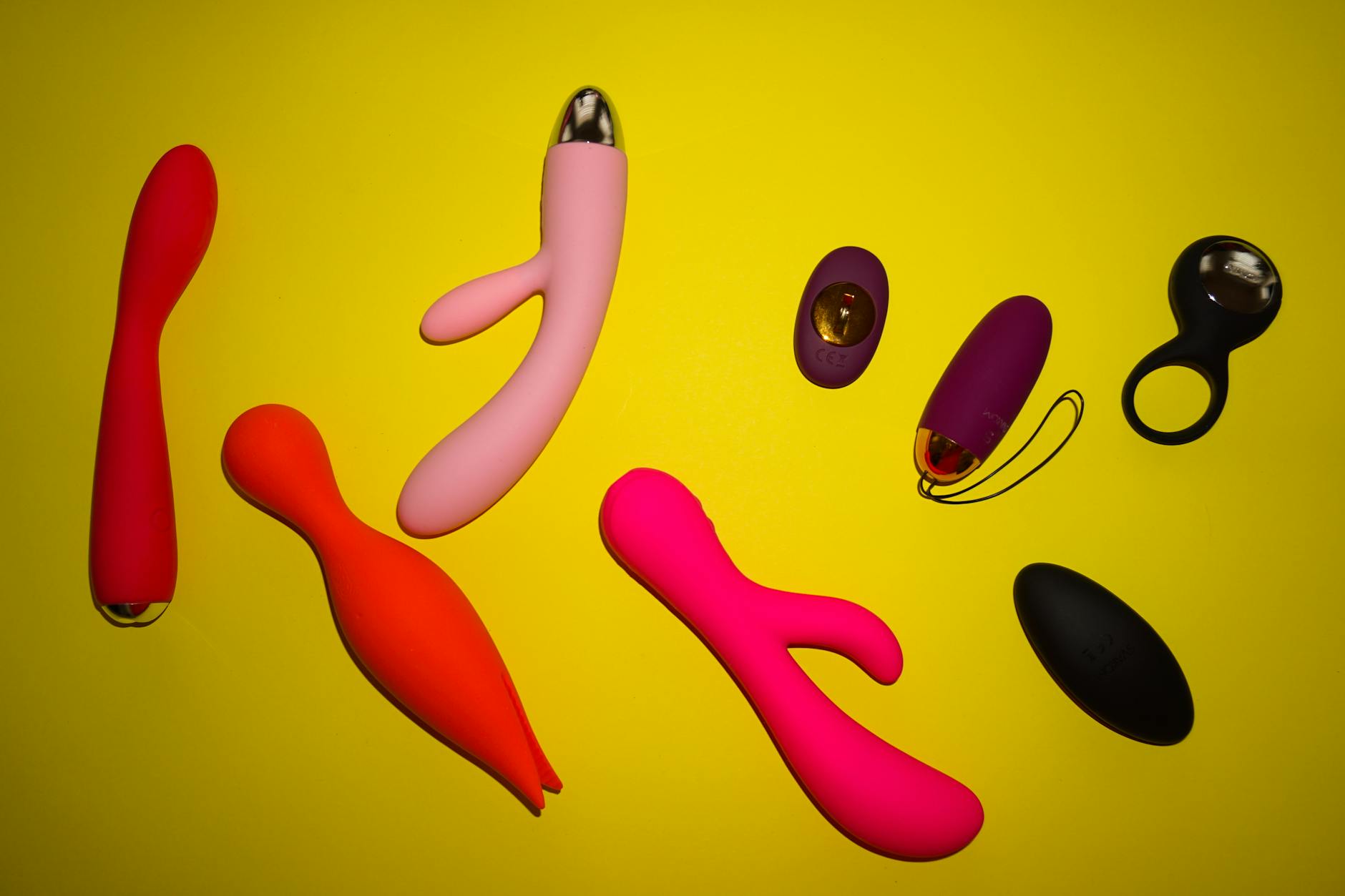
Let's start with what nobody warns you about
Divorce ends a marriage, but it also ends an entire sexual identity. For years, maybe decades, you knew your body in relation to one person. Their preferences, their timing, their touch. That context is suddenly gone. What you're left with is a body that feels unfamiliar, sometimes strange, occasionally foreign. And if there's shame mixed in—whether because of how the marriage ended, or what happened during it—that disconnection runs even deeper.
Here's the thing: solo pleasure after divorce isn't about "getting over" your ex. It's about getting back to yourself. It's about remembering that your body's capacity for sensation, satisfaction, and joy has nothing to do with anyone else. A lemon vibrator, specifically, is exceptionally good at helping you rebuild that connection, because it works gently, intuitively, and gives you total control.
Why divorce changes your relationship with pleasure
Sexual shame after divorce usually comes from one of three places: regret about the relationship itself, anger or hurt from how intimacy was used during the marriage, or simple disconnection from your own body after years of compromising.
Your nervous system has learned to associate sex with complex emotions. Maybe it learned to perform rather than feel. Maybe it learned to make yourself small. Maybe it learned that pleasure came with conditions attached. Rebuilding pleasure means slowly, safely rewiring that association.
This isn't a quick process, and it doesn't require a partner. In fact, going solo first is often smarter. When you're alone with your body and a tool like a lemon clitoral vibrator, there's no one to perform for, no one's timing to match, no one's expectations to manage. Just you and sensation, at your own pace.
The physical reality of post-divorce pleasure
Divorce grief is real grief. It triggers a stress response in your nervous system, which can numb sensation, reduce natural lubrication, and make arousal slower to build. This is not weakness. It's physiology. Your body is processing loss.
A lemon vibrator helps because suction-based stimulation works differently than traditional vibration. It doesn't require the same level of baseline sensation to be effective. If your body feels numb or shut down, the gentle suction of a device like the Lem can reactivate nerve endings gradually, without overwhelming a nervous system that's already working overtime.
Start with lower suction settings—pattern 1 or 2. Spend time just noticing what you feel, without any pressure to "achieve" anything. Orgasm isn't the goal here. Reconnection is.
The emotional part that actually matters
After divorce, many people are afraid of pleasure. Not because pleasure itself is dangerous, but because it feels like infidelity to themselves. You might feel guilty for touching your own body. You might feel like you're "supposed" to be grieving or angry, not enjoying sensation. You might worry that wanting pleasure means you didn't mourn the relationship properly.
All of that is normal. Also all of that is wrong.
Your pleasure is not a betrayal of your grief. The two can coexist. You can be sad about how things ended and also excited about discovering what your body wants when no one else is involved. You can honor the relationship and also honor your right to feel good.
When you're using a lemon vibrator solo, I encourage you to notice any shame that comes up. Don't push it away. Acknowledge it. "I feel guilty right now, and that's okay." Then continue. Pleasure practiced alongside shame gradually teaches your nervous system that they don't have to be connected.
How to actually start
First: remove the performance mindset. You're not trying to have the best orgasm of your life. You're trying to remember what your own body feels like when it's relaxed and curious.
Set time aside when you won't be interrupted. Twenty or thirty minutes minimum. Your nervous system needs to know it's safe. Put your phone in another room. Lock the door if you need to.
Start with lubrication, even if you think you don't need it. Water-based works best with silicone toys. Lube removes friction, which means your tissues don't get irritated, which means you can explore longer without discomfort. This is especially important if your body has been stressed or shut down.
Begin with the lemon vibrator at a lower setting. The Lem has multiple suction patterns specifically designed to build gradually. You're not trying to reach a destination. You're mapping out what feels good. Some people find they prefer a specific pattern immediately. Others need to spend several sessions experimenting.
If sensation feels numb or distant, that's grief expressing itself through your body. It will shift. Stay curious instead of frustrated. Notice: where do you feel something first? What pattern makes a difference? What intensity is soothing versus overstimulating?
The confidence-building piece
One of the most significant shifts I see in clients after divorce is a return of agency. When you use a lemon vibrator solo, you're making decisions about your own pleasure. What intensity? What rhythm? What time? What location in the house? What music, if any? What are you thinking about?
These small choices rebuild the part of your sexual identity that divorce disrupted. You're not accommodating someone else's preferences. You're not managing someone else's needs. You're purely, unapologetically pursuing your own sensation.
This is how sexual confidence rebuilds. Not through forcing yourself back into partnered sex before you're ready. But through practicing the experience of deserving pleasure purely for its own sake.
Most of my clients, after a few weeks of solo play with a lemon vibrator, report feeling dramatically different. Not just about sex. About their bodies generally. About taking up space. About asking for what they want.
When to bring a partner back in (if you want to)
There's no timeline. Some people are ready for partnered sex six months after divorce. Others take years. Both are completely valid.
If you do decide to explore with a partner again, the practice you've done solo becomes invaluable. You now know your own body's signals. You know what patterns feel good. You know how long warm-up actually needs to take. You know whether you prefer consistent stimulation or variety. This knowledge makes communication so much easier, because you're not discovering your body for the first time with someone new.
You can also use a lemon vibrator with a partner. Many people find that having a device they already know and trust makes the vulnerability of new partnered sex feel less overwhelming. It's familiar. It's yours.
The patience part
Rebonding with your body after divorce is not linear. Some days sensation will feel electric. Other days it will feel distant. That's normal. Your nervous system is healing, and healing isn't a straight line.
If you hit resistance or numbness, don't push harder. Take a break. Come back to it when you feel curious again. The goal is to make pleasure feel safe, not like another obligation.
Over time—and I mean months, not weeks—your body will remember that sensation doesn't require conditions. That pleasure is allowed. That your body's capacity for joy belongs entirely to you.
People also ask
Is it normal to feel guilty about solo pleasure after divorce? Completely normal. You've associated sex and intimacy with partnership for a long time. Your nervous system takes time to adjust to the idea that pleasure is not only allowed alone, but actually encouraged. Guilt usually fades as you practice. If it doesn't, that's worth exploring with a therapist.
How long before solo pleasure stops feeling weird? Most people report that within 3-4 weeks of regular exploration, the weirdness shifts to comfort. By 8-12 weeks, many clients describe it as genuinely enjoyable. Individual timelines vary based on the nature of the divorce, how long the marriage lasted, and what happened during it.
Can a lemon vibrator help if I'm having trouble with arousal? Yes. Suction-based stimulation like the Lem works differently than traditional vibration and can reactivate sensation even when arousal feels sluggish. Start with lower intensity. Give yourself time. Your nervous system will gradually remember that arousal is available to you.
What if I'm not interested in reaching orgasm right now? Perfect. Orgasm is not the point. Reconnection is. Some people spend weeks just enjoying sensation without any goal to climax. This actually speeds up your nervous system's recovery because there's zero performance pressure.
Is it better to use a lemon clitoral vibrator or try something different? If you're rebuilding after divorce, a lemon vibrator is excellent because it gives you granular control, builds gradually, and doesn't require guesswork. The learning curve is small, which means you can focus on pleasure, not figuring out the device.
What if I'm struggling emotionally and pleasure feels impossible? Divorce can trigger depression, anxiety, or grief that makes pleasure feel inaccessible. If that's where you are, it's worth talking to a therapist before diving into solo play. There's no rush. Your body will be ready when you are. In the meantime, work on the grief piece first.
The bigger picture
Divorce is one of life's biggest identity shifts. Rebuilding sexual confidence is part of rebuilding yourself. It's not frivolous. It's not shallow. It's actually one of the most grounding, embodied ways to practice self-care.
When you reconnect with your body's capacity for pleasure, separate from anyone else's expectations, you reconnect with a fundamental part of yourself. You remember that you deserve to feel good. That your body is yours. That pleasure is a form of self-respect.
A lemon vibrator is just a tool. But it's a tool that makes this reconnection safe, intuitive, and genuinely enjoyable. Start slowly. Be patient with yourself. Notice what feels good. And remember: this process isn't about proving anything or performing for anyone. It's purely about you, your body, and the simple fact that you deserve to feel pleasure again.