
The Mismatched Reawakening Nobody Talks About
Here's the thing nobody tells you about relationships coming back to life: desire doesn't follow a synchronized script. One person wakes up ready. The other one is still half-asleep. Or vice versa. And that mismatch? It triggers a specific kind of anxiety that feels different from regular desire gaps.
You're not broken. You're not incompatible. You're experiencing what I see constantly in couples therapy. One partner's libido reignites while the other is still finding their footing. It's not a problem to fix. It's a rhythm to navigate.
Why Libido Returns in Waves, Not All at Once
Desire is not a light switch. It's a dimmer controlled by at least a dozen factors running simultaneously. Stress, sleep, emotional safety, physical comfort, hormonal cycles, how much you felt heard in an argument last week. When couples reconnect after months or years of low sexual contact, those factors don't all reset on the same day for both people.
One partner might feel emotionally safer first. Another might experience a hormone surge or reach a lower stress point at work. Someone might finally feel their body is theirs again after health stuff. The bodies and minds involved are literally on different timelines. This is completely normal, and also completely maddening when you're inside it.
What complicates it further: the person whose desire is surging can feel rejected when the other person isn't ready yet. The person whose desire is slower can feel pressured or inadequate. Both feelings are real. Both are based on incomplete information about what's actually happening in the other person's nervous system.
How a Lemon Clitoral Vibrator Solves for Mismatched Timing
Let me be direct. A lemon vibrator isn't a replacement for your partner. It's a solution to a specific problem: how do you stay connected and responsive to your own body when your partner's libido is elsewhere right now.
Here are the ways this actually works:
Independent pleasure reduces pressure on the slower partner. When you're not waiting for your partner to be ready, your own desire often catches up faster. The pressure releases. Your nervous system settles. And paradoxically, that makes you more available for your partner when the time comes.
A lemon vibrator lets you maintain intimacy without penetration or high-effort sex. You can be close to your partner, touching, talking, present, without demanding that their body do something it's not ready for yet. You're staying in the sensual realm without forcing the sexual one.
It removes the "I have to make this work for both of us" weight. When you're responsible for your own pleasure, your partner doesn't have to be the only source of arousal. That's genuinely liberating for both of you.
The Setup That Actually Works
First, this conversation needs to happen clothed, outside the bedroom, with tea or coffee in hand. Not during sex. Not right before. Not when someone's frustrated. Say something like: "I noticed our libidos are on different schedules right now. I want to take some pressure off both of us. Would you be open to me using a vibrator while we're together so we can stay connected without anyone forcing it?"
Most partners say yes. Some need reassurance that it's not about inadequacy. It's not. It's about architecture. You're redesigning the structure so both people can show up as themselves.
Next, pick a lemon clitoral vibrator. The design of a suction vibrator like the Lem is strategic here. It doesn't require your partner to do anything. You control the intensity. The sensation is focused and contained. You're not sprawled out and vulnerable in a way that amplifies the pressure. You're engaged. You're present. You're just managing your own pleasure.
Start with lower intensity settings. Especially if your libido is the one surging. High intensity too early can startle your body back into an old pattern. You want to ease in. Patterns 1 through 3 on most lemon vibrators give you room to explore without overwhelming yourself or your partner.
Use it during foreplay, not just solo. This is key. When your partner is present but not necessarily doing penetration yet, you using a clitoral vibrator keeps both people engaged and aroused. It's intimate without being demanding. It's sexy without performing.
Communicate what's happening in your body. Tell your partner when something feels good. When you're building toward something. When you need to pause. This isn't clinical. It's the opposite. It's exactly how desire gets rebuilt. Through words. Through presence. Through paying attention.
The Emotional Architecture Behind This
What you're actually doing when you navigate mismatched libido with honesty is teaching your nervous systems how to stay connected even when you're not in perfect sync. That's the real skill. That's what carries forward into every other area of the relationship.
Couples who fumble through this phase and come out the other side usually have deeper intimacy afterward because they've learned something crucial. Your partner doesn't have to want you exactly when you want them. And that's not a rejection. That's just neurology.
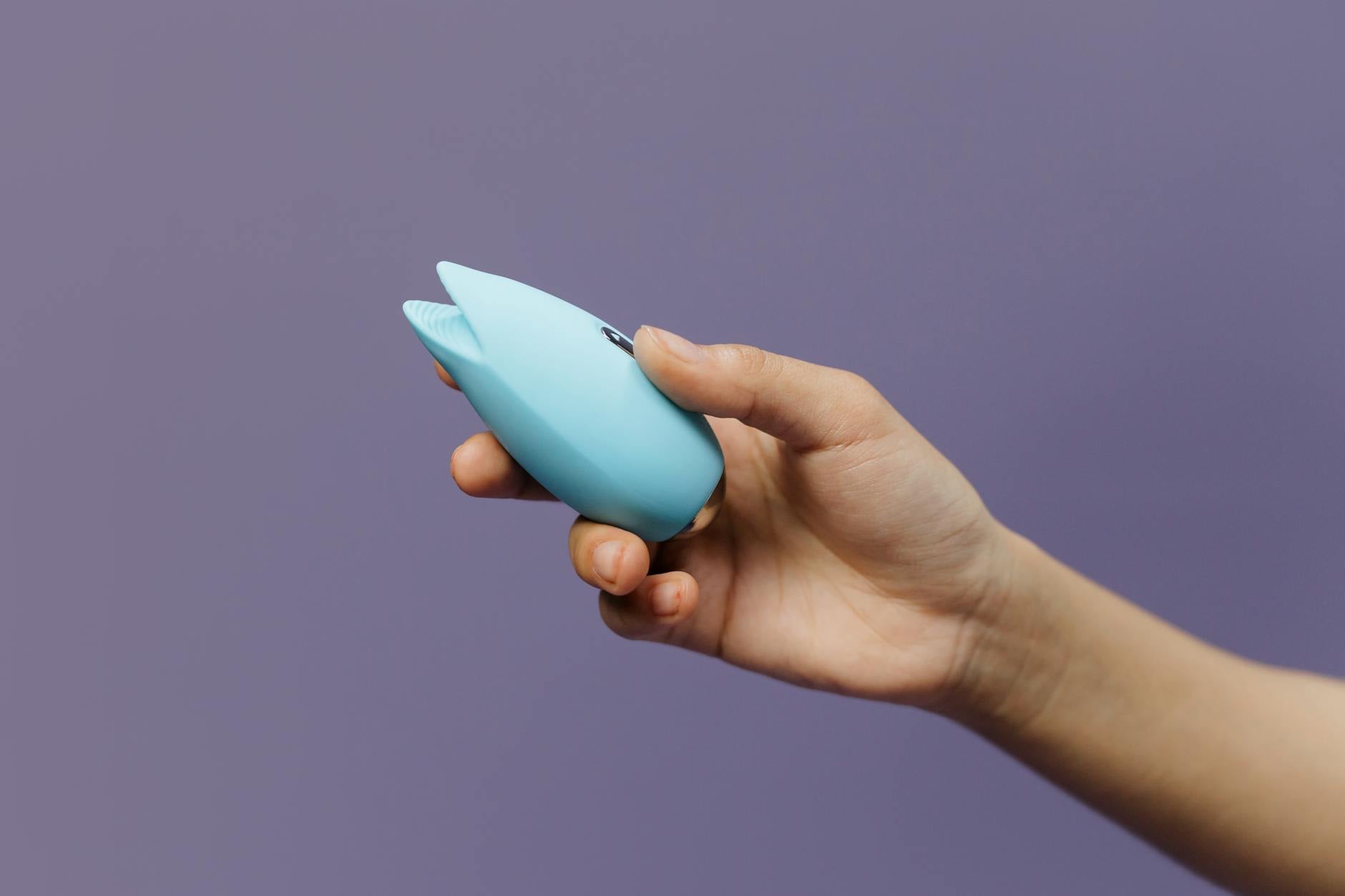
Photo by cottonbro studio on Pexels
When you use a lemon vibrator in this context, you're literally demonstrating that pleasure isn't zero-sum. That your satisfaction doesn't drain something from your partner. That desire isn't a performance for an audience of one. That sex is more flexible than the scripts we inherited suggest.
When One Person's Surge Stays Ahead
Here's the harder scenario. What if weeks go by and your libido is still higher than your partner's. The initial reconnection doesn't happen. You start to wonder if something's actually wrong.
First, rule out the medical stuff. Low libido that lingers can point to depression, medication side effects, hormonal imbalances, or physical issues like pelvic floor tension. A good doctor can help. That's not your job to fix solo.
Second, look at the relationship. Is there resentment brewing? Unresolved conflict? Lack of emotional safety? Sometimes desire gaps are actually trust gaps wearing a different costume. If that's present, using a lemon vibrator alone won't close it. You might need a couples therapist to help you both understand what's really happening.
Third, and this matters: extended mismatch is information. If your partner consistently has no desire and shows no interest in addressing it, you're looking at a real incompatibility question. Not a timing question. Not a problem to outsmart with the right toy. A fundamental difference in how you each want to live.
The Practical Things to Know
Water-based lubricant helps, especially if you're using the lemon vibrator frequently while your body is reawakening. Thinner tissue needs support. It's not a sign of anything wrong. It's just practical.
Start at lower intensity and build up. Your sensitivity might be different than it was before the libido gap. Your nervous system is learning its own pleasure again. Respect that process.
If penetration is part of what you eventually want to explore together, the lemon clitoral vibrator is your warm-up tool. It wakes your clitoris, brings blood flow, makes everything else easier when your partner is ready. No shame in that. That's just smart body literacy.
Keep talking. Awkward is honest. Silence is where resentment lives.
When to Stop and Talk to Someone
If the mismatched libido becomes a source of ongoing tension despite honest communication, a sex therapist or relationship counselor trained in this stuff can help. This is fixable. But it's not a toy problem. It's a communication problem wearing a libido costume.
If you're experiencing pain during sex as your libido returns, that's medical. See a pelvic health specialist. If you're feeling coerced or pressured around sex by your partner, that's a safety issue. Reach out to a counselor or your doctor.
Otherwise, give yourself permission to be on different schedules for a bit. Use a lemon clitoral vibrator to stay connected to your own body. Use your words to stay connected to your partner. The synchronization usually comes back naturally once the pressure lifts.
People Also Ask
Is it normal for one partner's libido to come back before the other's?
Completely. Desire depends on sleep, stress, hormones, emotional safety, physical comfort, and about fifteen other variables. Those don't reset on the same timeline for two different people. One partner might be sleeping better or having a lower-stress week at work. Another might still be processing something emotional. That's not a relationship crisis. It's just how bodies work.
Will using a lemon vibrator make my partner feel like I don't want them?
Not if you talk about it first. Actually the opposite. When you say, "I want us to stay close even though we're on different schedules right now," most partners feel relieved. It takes pressure off them. It says you're not waiting around resenting them. You're finding a way to stay connected. That's partnership.
How often should I use a clitoral vibrator if my libido is returning?
As often as feels good. If it's helping you reconnect with your body and stay present with your partner, there's no limit. If you're using it to avoid difficult conversations about mismatched desire, that's worth noticing. The vibrator should complement your relationship, not replace the communication you actually need.
When does the libido mismatch usually even out?
It depends. Sometimes weeks. Sometimes months. Usually it shifts once the pressure comes off, once the slower partner feels safe, once stress reduces, or once you've addressed whatever was actually blocking desire. If it's still severely mismatched after six months of honest effort, that's when you might need professional support to figure out what's really going on.
Can a lemon vibrator actually help us feel more intimate?
Yes. When it's part of foreplay you're doing together, when you're talking about what feels good, when your partner is present and engaged, a clitoral vibrator can absolutely deepen intimacy. You're vulnerable. You're letting them see you experience pleasure. That's the opposite of distant. That's connection.
What if my partner doesn't want me to use a vibrator?
That's worth exploring with curiosity, not defensiveness. Is there insecurity there? Misunderstanding about what it means? Cultural or religious stuff you haven't talked about? Understanding the "why" behind the resistance matters. If it's just control, that's a different conversation. If it's fear or shame, that might need some unpacking with a therapist. Don't just accommodate a boundary you don't understand. Get curious first.
Navigating mismatched libido is one of the more delicate things couples do. But it's also one of the most growable. You'll come out the other side understanding each other better, knowing your own body better, and having proof that you can problem-solve together. That matters more than staying in perfect sync ever did.