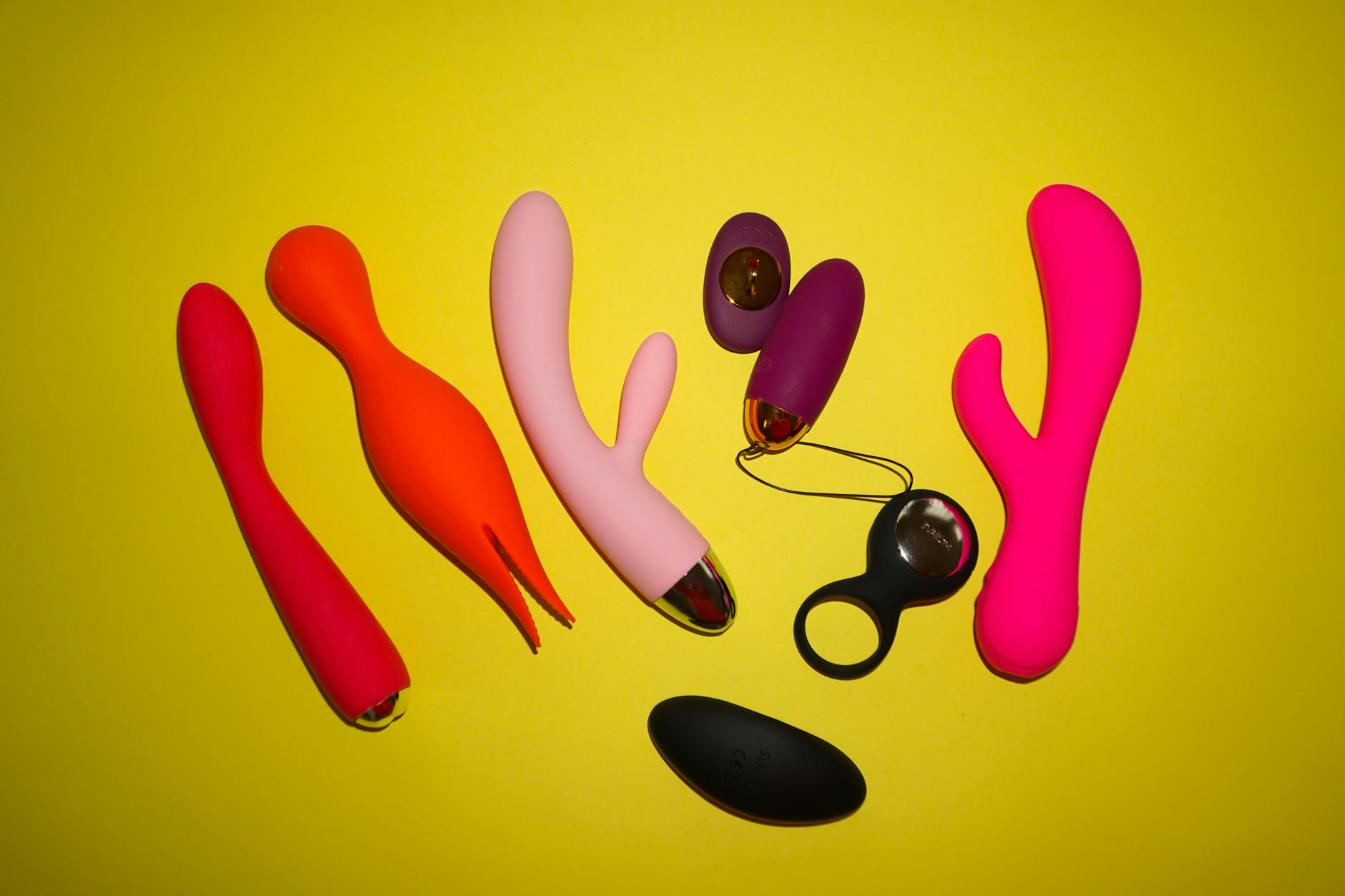
How to Find the Right Lemon Vibrator When You Have Vaginismus
Let's be real: if you have vaginismus, most sex toy advice lands wrong. The entire conversation assumes penetration is on the table. For you, it's not. Your nervous system has other plans.
What makes lemon vibrators different is that they skip penetration entirely. They work on the clitoris, which means pleasure without the trigger that makes your pelvic floor clench. That's not a small thing. For a lot of people managing vaginismus, it's the difference between sex toys feeling pointless and them actually working.
Here's what you actually need to know to pick one.
What vaginismus does to your choices
Vaginismus is involuntary. Your pelvic floor muscles tighten when penetration is attempted or anticipated. No amount of relaxation or willpower fixes it during the moment. What you need is stimulation that doesn't trigger the reflex in the first place.
Clitoral stimulation does that. The clitoris lives outside the vagina. Suction-based vibrators like the lemon design work by creating waves of pressure and release against the clitoral tissue, which doesn't activate the same protective tensioning as penetration-related touch does.
The result: pleasure that doesn't come with the mental load of "will my body cooperate." That's huge.
Why suction beats vibration for vaginismus
Traditional vibrators buzz directly against sensitive tissue. For someone with vaginismus, that direct contact can feel intense or even sharp, especially if you're already anxious about sensation during sex.
Lemon clitoral vibrators use suction instead. They create a gentle seal around the clitoris and pulse rhythmically, which stimulates the whole area without the same kind of focused pressure. It's more diffuse, less likely to feel overwhelming.
That difference matters psychologically too. Suction feels less like something is happening to you and more like your body is being invited into something pleasurable. People with vaginismus often describe vibration as too clinical. Suction feels softer, more intuitive.
Intensity settings: start low, stay there longer
When you're managing vaginismus, your nervous system is already in a state of mild alert around sex. Adding a vibrator on high intensity can amp that up, not down.
Look for a lemon sucker with multiple intensity levels, and commit to using it on pattern one or two for at least a week. This isn't about being conservative. It's about teaching your body that sexual stimulation doesn't have to be intense to be good. Your clitoris has thousands of nerve endings. Low suction can access all of them.
Many people find that once they trust the sensation, they naturally work up to higher patterns. But some never do. Both are fine. Pleasure isn't a race.
Size and ergonomics actually matter here
Vaginismus lives in your head as much as your body. If a vibrator feels clunky, medical, or requires complicated positioning, you'll feel that anxiety building before you even turn it on.
Look for something compact and intuitive. The opening should feel soft and the handle should fit your hand without thinking about it. You're using this to relax, not to solve an engineering problem.
Smaller vibrators are often better for vaginismus specifically because they're easier to position and less visually intimidating. You don't need a wand the size of a marker. A lemon clitoral vibrator is designed small and fits naturally.
Material and cleaning matter for peace of mind
Body-safe silicone or medical-grade plastic only. Anything else is a risk you don't need to take, and the health concern will live in your head while you're trying to enjoy yourself.
Clean it before and after every use, which takes maybe two minutes with warm water. That ritual of care is part of the nervous system reset. You're telling yourself: this is safe, this is for me, this is worth the small effort.
Water-based lubricant is optional on external stimulation, but many people find that a little helps the suction feel smoother and less sticky. Use it if it feels right.
Shopping for your first lemon vibrator
When you're choosing, look for these specifics.
Multiple intensity settings: At least three, ideally five. You need the option to go very, very low.
Quiet operation: Sound triggers anxiety for people with vaginismus. Suction-based designs are quieter than vibrators by nature, but check reviews specifically for noise level.
Rechargeable, not battery-powered: Battery vibrators often have lower intensity floors, which defeats the purpose. Rechargeable versions let manufacturers build in genuinely subtle settings.
Waterproof design: It's not about showers (though that's nice). It's about easy cleaning. You want to rinse this under running water without worry.
A slightly softer opening: Some clitoral vibrators have very firm silicone at the mouth. For vaginismus, softer is better. Check product photos and read reviews from people with vulva-based anxiety.
The mental piece: why you need the right tool
Vaginismus isn't just physical tension. It's your nervous system protecting you because somewhere along the way, penetration became associated with pain or threat. A clitoral vibrator that respects that, that doesn't ask for anything you're not ready to give, actually starts to retrain your system.
When pleasure happens without the trigger, your brain learns something important: sex doesn't have to end in pain. That's not healing vaginismus in a clinical sense. But it's healing the relationship between you and pleasure, which is the actual goal.
Many people with vaginismus work with a pelvic floor physical therapist or sex therapist at the same time. A lemon clitoral vibrator isn't a replacement for that. But it's a tool that works with treatment, not against it.
The conversation with your partner
If you're in a relationship, your partner should know you're doing this and why. Not as confession. As information.
"I'm exploring clitoral stimulation because penetration triggers my body to lock up. This helps me feel pleasure independently, which actually helps us both."
That's it. Your partner doesn't need to be involved in your pleasure (though they can be). They need to know it's not about them. Vaginismus often makes people feel broken or like they're failing their partner. They're not. They're being smart about their nervous system.
For more on navigating vaginismus in a partnered context, check out our guide on how to use a lemon vibrator with your partner without the awkward pause.
When to add other tools
Once you've established a baseline of pleasure with a lemon clitoral vibrator, you might want to explore other things. A wand vibrator on low. Hands. Partner touch on the vulva (not penetration).
The key is that your foundation is already built. You know suction works for you. You know your intensity floor. You have permission to feel good. Everything else is variation, not exploration from zero.
If you're curious about how clitoral vibrators compare to other options, lemon vibrator suction vs traditional vibration breaks down the science of why suction is so effective.
FAQ: Vaginismus and Lemon Vibrators
Will a lemon vibrator help my vaginismus go away?
A lemon clitoral vibrator won't cure vaginismus on its own. But it can help you access pleasure without triggering the protective tensioning. That matters because pleasure and anxiety live in different parts of your nervous system. As you build positive sexual experiences without triggering your body's reflex, your system gradually learns to relax. Many people find that alongside therapy or pelvic floor work, external stimulation actually speeds up recovery.
Can I use a lemon sucker if penetration causes pain?
Yes. In fact, that's when a lemon clitoral vibrator makes the most sense. Because it works externally, it bypasses the trigger entirely. You get all the pleasure, none of the pain response.
What if the suction feeling itself makes me anxious?
Start with the lowest intensity, shortest session (maybe five minutes), and just observe without pressure to feel anything. Some people find suction strange at first because it's rhythmic in a way vibration isn't. Your body adjusts. If after a few sessions it still feels off, try a different intensity pattern or take a break. Comfort matters more than forcing it.
Should I tell my doctor I have vaginismus before buying a vibrator?
If you haven't already been diagnosed and treated for vaginismus, yes, talk to your GP or gynecologist. Vaginismus can be a symptom of other things (hormonal, structural, trauma-related), and a professional assessment matters. A lemon vibrator is a tool for managing it, not a diagnosis.
Is there a "best" lemon vibrator for vaginismus specifically?
The best one is the one you'll actually use consistently. Look for low minimum intensity, quiet operation, and intuitive design. Read reviews from people who mention anxiety or sensitivity, not just general satisfaction. That tells you the intensity floor is genuinely low.
Will my partner feel weird about me using a clitoral vibrator?
Some won't. Some will need reassurance that it's about your vaginismus, not about them or your attraction to them. It's his job to understand. If he can't, that's worth a conversation about his relationship to your pleasure and your body.
When you're ready to involve him, this post has strategies for couples navigating toys together.
Vaginismus changes how you approach pleasure, but it doesn't end it. A lemon clitoral vibrator gives you a way to experience sensation that doesn't trigger your protective reflex. That's not a Band-Aid. It's actually how healing starts: by teaching your body that pleasure is possible, and that you deserve it.